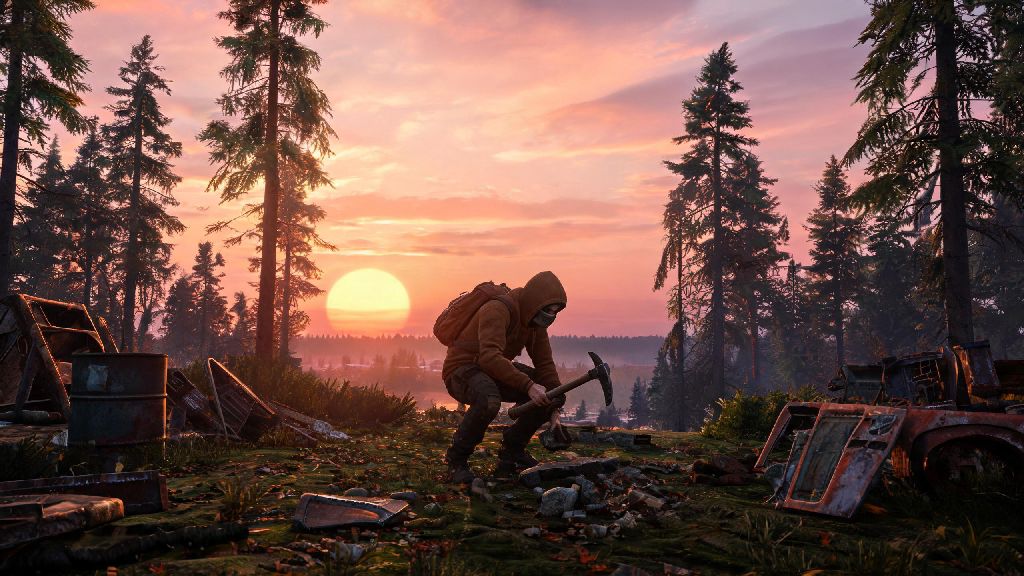
If you’ve ever logged off a public Rust server frustrated after being raided for the third time in one night, you’ve probably asked can you play rust solo offline. 2026 updates to the game have made this mode far more stable and customizable than it was even two years ago, so it’s no surprise more casual players are looking for low-pressure ways to enjoy the game without dealing with toxic groups or constant PvP. I’ve been playing Rust on and off since 2021, and I’ve spent hundreds of hours in offline solo mode testing builds, practicing raid tactics, and just messing around without the stress of losing hours of work in 10 minutes. This guide breaks down everything you need to know to get started, plus what to expect if you decide to stick with offline play long term.
How to Set Up Rust Solo Offline in 2026
Setting up an offline solo Rust session is a lot simpler than most new players realize, and you don’t need any third-party modding tools if you’re playing the official Steam version of the game. First, make sure your game is fully updated to the 2026 patch, because older versions have bugs that can corrupt single-player saves if you disconnect unexpectedly. You don’t need an active internet connection to play offline once you’ve downloaded the game and any required updates, which is perfect for travel or areas with spotty service.
The step-by-step process only takes a couple of minutes: open your Steam library, right click on Rust, select “Properties,” go to the “General” tab, and check the box that says “Launch game in offline mode.” Once you launch the game, select “Single Player” from the main menu, adjust your server settings to your preference, and hit start. You can tweak everything from gather rates to NPC spawn frequency to how often airdrops appear, so you can make the game as easy or as challenging as you want.
One common mistake new players make here is forgetting to turn off cloud sync for their single-player saves. If you leave cloud sync enabled, you might lose progress if you switch between online and offline modes frequently, so it’s best to disable it for solo offline play. I learned this the hard way back in 2024 when I lost a 30-hour offline save because I logged into a public server for a quick match.
If you’re playing for the first time, I recommend adjusting these core settings before you launch your first solo offline world:
Why Answering "Can You Play Rust Solo Offline" Matters for Casual 2026 Players
A lot of hardcore Rust players turn their nose up at offline solo play, but for casual players who only have a few hours a week to game, it’s the best way to enjoy everything Rust has to offer without the burnout. You have full control over every part of the game world, so you never have to deal with toxic chat, being spawn killed by groups, or coming back to a completely raided base after a day away.
It’s also an incredible learning tool for new players who want to get better at the game before jumping into public servers. You can practice base building designs, test how much damage different raid tools do to different wall types, and learn the map layout without worrying about being interrupted mid-practice. I always recommend new players spend at least 10 hours in offline solo mode before joining a public server, because it cuts down on the steep learning curve drastically.
2026 updates added a ton of new single-player only content, including custom NPC quests and exclusive building skins that you can only unlock in offline mode, so there’s even more incentive to try it now. If you’re someone who likes to play at your own pace without deadlines or pressure, this mode is made for you. Also, if you want to dive deeper into base design strategies for both offline and online play, check out our 2026 list of the best unraidable solo Rust bases for inspiration.
Downsides of Offline Solo Rust Play to Watch For
Offline solo Rust isn’t perfect, and it’s not for everyone. The biggest downside for most people is the lack of PvP interaction, which is a core part of the game for a lot of long-time players. If you thrive on the tension of running into other players while looting monuments, you’ll probably find offline solo mode boring after a few weeks.
There’s also a higher risk of save corruption if you don’t back up your files regularly, especially if you use mods to add custom content to your single-player world. I recommend backing up your single-player saves to an external drive at least once a week, so you don’t lose dozens of hours of progress if your game crashes or your hard drive fails. Mods can also cause compatibility issues with new 2026 patches, so make sure you check if your mods are updated before launching your game after a patch drops.
Another common complaint is that the game can feel too easy after a while, once you’ve built a fully fortified base and have all the best gear. You can adjust settings to increase difficulty, like turning on higher NPC spawn rates or adding PvE raid events, but it doesn’t quite match the unpredictability of playing against real human players. If you’re looking for a challenge that changes every time you log on, you might want to stick to low-population public servers instead.
Top Tips for a Fun Solo Offline Rust Experience in 2026
After hundreds of hours in offline solo mode, I’ve picked up a few tricks that make the experience way more enjoyable, especially if you’re planning to play long term. First, set small, specific goals for each session instead of just wandering aimlessly. For example, one session you can focus on building a new outpost near the Arctic monument, and the next you can practice raiding a test base you built. This keeps the game feeling fresh even after you’ve unlocked all the best gear.
Don’t be afraid to experiment with mods if you’re bored with the base game. There are hundreds of 2026 compatible mods that add everything from new weapons and vehicles to entire new biomes and quest lines. Stick to mods from the official Steam Workshop to avoid malware or compatibility issues, and only install one mod at a time so you can easily pinpoint the cause if something breaks.
If you start to feel lonely, you can always switch to a private friend-only server instead of going fully public, so you can play with people you trust without dealing with random toxic players. You can even import your offline solo save to a private server, so you don’t have to start over from scratch if you decide you want to play with friends later on.
At the end of the day, the answer to can you play rust solo offline is a resounding yes, and 2026 updates have made it better than it’s ever been for casual and new players. It’s a great way to learn the game, practice your skills, or just relax and build without the stress of public servers, and it’s worth trying even if you’re a long-time online Rust player looking for a change of pace. Just remember to back up your saves, adjust your settings to fit your playstyle, and don’t be afraid to experiment to find what works best for you.