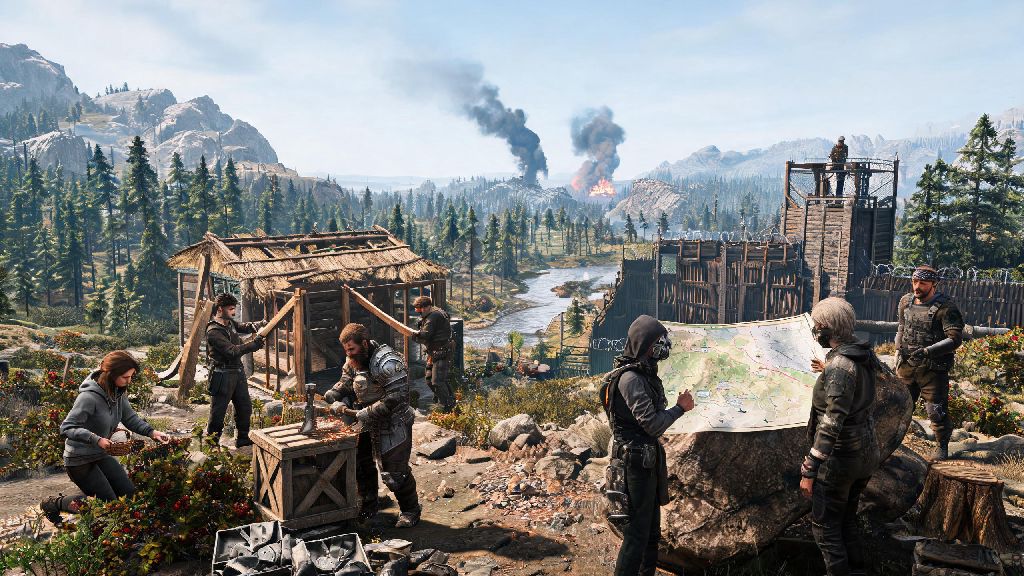
If you’ve ever tried to round up your friend group for a new survival game session, you’ve probably asked how many people can play Rust at once. The open-world PvP survival title is famous for its chaotic, player-driven worlds, but lobby sizes aren’t one-size-fits-all. Whether you want a quiet private server just for your closest gaming buddies or a massive world with hundreds of active players fighting for resources, there’s an option that fits your needs. I’ve spent over 300 hours bouncing between different server types, so I’ll break down exactly what you can expect from each lobby size, plus the pros and cons of each.
How Many People Can Play Rust on Official and Community Servers?
The short answer is that player counts vary widely depending on who runs the server and what modifications it uses. Official servers run by Facepunch, Rust’s developer, all have a strict 100 concurrent player cap across all regions. These servers run fully vanilla, unmodded gameplay, so they’re optimized to run smoothly for 100 players with minimal lag or performance issues. Official servers never have custom rules or reserved slots, so you always know exactly what you’re getting when you join one.
Community servers run by independent owners have far more flexible player limits. Most vanilla or vanilla+ servers (with only quality-of-life mods) also cap at 100 players to match official performance standards, but some larger servers run by experienced teams can support up to 200 players at a time. Heavily modded servers, like those with custom maps, RPG systems, or zombie survival modes, usually have much lower caps, ranging from 20 to 60 players. I once joined a modded zombie server that advertised a 100 player cap, but it crashed every two hours when too many players gathered in the same area to fight hordes. The admin eventually dropped the cap to 50 to fix the stability issues, which made the game far more playable for everyone.
You’ll also find tiny private servers with as few as 5 slots, usually reserved for groups of friends who don’t want to deal with random players. These are perfect for new players who are still learning the basics of building, crafting, and combat without getting spawn-killed every few minutes.
Ideal Lobby Sizes for Different Rust Playstyles
There’s no “best” lobby size for everyone, and the right pick depends entirely on how you like to play the game, how many friends you’re playing with, and how much chaos you can tolerate. I’ve tested every size from 5-slot private lobbies to 200-slot massive public servers, and these are the general rules I follow when picking a server:
For example, if you and two friends just want to mess around, build a silly base, and learn how to craft guns without getting raided every other day, a 10-slot password-protected private server is perfect. If you have a group of 7 friends who want to run a clan and fight other groups for territory, a 40-slot medium server is ideal: you’ll have enough other players to raid and fight, but you won’t be outnumbered by massive clans of 20+ people that dominate 100-slot official servers. Roleplay servers almost always cap at 50-60 players too, to keep storylines manageable and reduce random chaos that breaks immersion for players who are there for narrative play instead of constant PvP.
Factors That Impact Maximum Rust Player Counts
You might be wondering why some servers can support 200 players while others crash if they have more than 30. The answer comes down to a few key factors that every server owner has to balance when setting their player cap. The biggest factor is server hardware: servers running on consumer-grade hardware can only support a small number of players, while servers running on high-end dedicated hardware can handle far more concurrent users without lag.
The number and type of mods installed also make a huge difference. Vanilla unmodded servers can support far more concurrent players than heavily modded ones because they have almost no extra overhead from custom content. Every mod, custom weapon, custom map, or quality-of-life plugin uses extra server resources, so adding lots of mods means you have to lower the player cap to keep the server running smoothly. Even minor mods like an auto-kit plugin or a map marker system add up over time, so most heavily modded servers stick to 30-50 player caps to avoid performance issues.
Map size and server tick rate also play a role. Smaller 2k procedural maps don’t have enough space for hundreds of bases and resource nodes, so servers using these maps usually cap at 50 players max to avoid overcrowding. Higher tick rate servers (like 60 tick, which is popular for competitive PvP) process player actions faster, but they use far more resources than standard 30 tick servers, so they almost always have player caps below 50. Some servers also have reserved slots for donors or long-time regulars, so even if a server says it has a 50 player cap, only 45 might be open to the public. Always check the server description before you get your group together to avoid showing up and finding half your friends can’t join.
Tips for Choosing the Right Rust Lobby Size for Your Group
Picking the right lobby size can make or break your Rust experience, especially if you’re playing with a large group of friends. The first rule I always follow is to match the server size to your group size and experience level. If all of you are brand new to Rust, don’t jump straight into a 100-slot official server. You’ll get spawn-killed constantly, raided within hours of building your first base, and you probably won’t have fun. Start with a 10-20 slot private server first so you can learn the mechanics without pressure.
If you’re playing with a clan of 10+ people, don’t pick a server that only has 20 slots total. If half the server is your clan, you’ll run out of other players to fight or raid within a day, and the game will get boring fast. Aim for a server where your group makes up no more than 20% of the total player cap, so you have plenty of other people to interact with. Always check server ping and uptime before joining too, even if the slot count is perfect. A laggy server with regular crashes will ruin your experience no matter how good the player count is.
If you’re not sure what size you’ll enjoy most, test a few different servers for an hour each first. Join a 20-slot casual server, then a 50-slot medium server, then a 100-slot official server, and see which one feels most fun for you. Don’t let anyone tell you there’s a “right” way to play Rust: some people love the chaos of 100-slot servers, some people love the quiet of 10-slot private servers, and both are completely valid. If you’re running your own server, start with a lower slot count first and increase it as you get more regular players. You don’t need to pay for a 100-slot server if you only have 5 regular players, that’s just a waste of money, and you can always upgrade your plan later if your player base grows.
At the end of the day, the answer to how many people can play Rust depends entirely on the type of server you choose, from tiny private lobbies to massive 200+ player public worlds. The best part is you don’t have to stick to one size: you can bounce between small private servers for casual nights with friends and huge public servers when you want high-stakes PvP. Take the time to test a few different lobby sizes to figure out what fits your playstyle best, and you’ll have a way better Rust experience right from your first spawn.