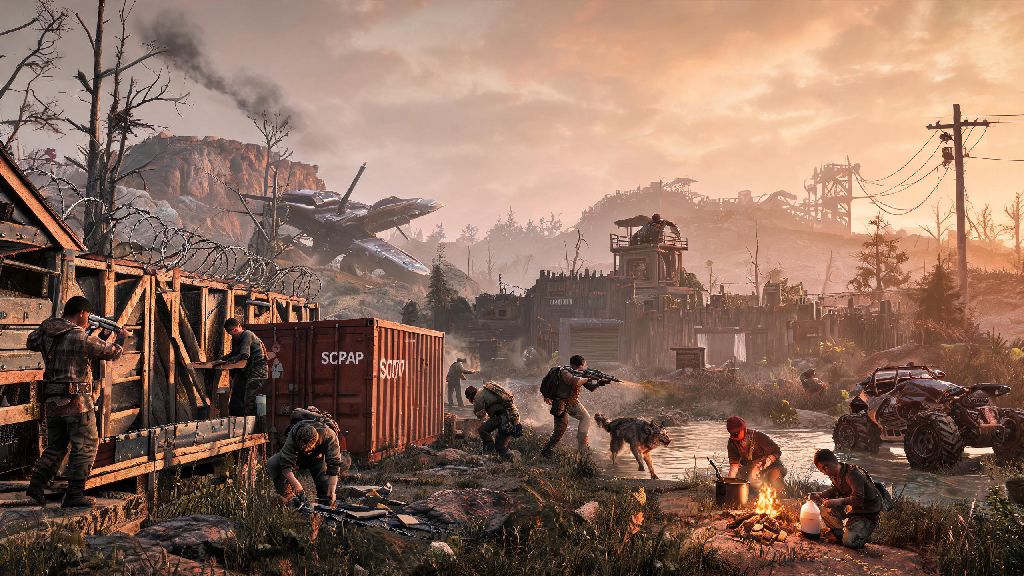
If you’ve ever spent hours farming scrap, defending your base from online raiders, or hiding from roaming bear attacks in one of gaming’s most brutal survival titles, you’ve probably wondered how many players play Rust alongside you. For a game that launched over a decade ago, its staying power feels almost unheard of in the crowded survival genre, where most titles fade from public consciousness within a few years of release. I’ve been playing Rust on and off since its early access days, and I’ve watched the community shift, grow, and stick around even when competing survival games launched with bigger marketing budgets and flashier graphics. This guide breaks down all the latest player count stats, what’s driving the game’s ongoing popularity, and what you can expect if you’re thinking of jumping in for the first time.
How Many Players Play Rust: Current Official Player Count Stats
Official numbers from developer Facepunch Studios paint a clear picture of the game’s massive, stable audience. Peak concurrent Steam players regularly hit 150,000 to 180,000 on weekends, with all-time highs crossing 245,000 during major content updates like the 2023 industrial overhaul that added automated resource processing to the game. These numbers only reflect Steam players, though, so they don’t capture the full scope of the community.
Total monthly active users across all platforms sit at roughly 12.7 million as of the latest official reports. That figure includes players on Steam, the Epic Games Store, PlayStation 4/5, and Xbox One/Series X/S. Console players make up nearly 40% of that total, a segment that has grown steadily since the game’s full console launch in 2021. Many third-party tracking sites only publish Steam numbers, so they drastically undercount the game’s actual active player base by 50% or more.
Player counts also fluctuate predictably throughout the year. They spike during holiday months when more people have free time to play, and drop slightly during the summer when many players spend more time outdoors. Even during slow periods, though, the game never falls below 80,000 concurrent Steam players, so you’ll never struggle to find an active server no matter when you log on.
What’s Driving Rust’s Consistent Player Growth Years After Launch
Most survival games lose 70% or more of their initial player base within six months of launch, but Rust has done the opposite, growing its audience steadily year over year. A big part of that success comes from Facepunch’s consistent update schedule, which drops a major content patch every single month. These patches don’t just add minor cosmetic items; they often add entirely new gameplay loops, balance changes requested by the community, and quality of life fixes that address longstanding player frustrations.
The game’s unforgiving gameplay loop is actually its biggest draw for most long-term players. Unlike more casual survival games that let you build an indestructible base and never face real consequences, Rust forces you to work for every win. Every base you build, every gun you craft, every supply run you complete carries real risk, and that makes every victory feel far more rewarding than it does in other titles. I’ve seen friends quit the game after being raided three times in one week, only to come back a month later because they couldn’t find another survival game that gives the same rush of pulling off a successful raid or defending your base from a clan twice your size.
Content creator support has also played a huge role in keeping the game in the public eye. Major streamers and YouTubers regularly return to Rust for special events, like the annual Twitch Rivals Rust tournament that draws millions of viewers. These events bring in tens of thousands of new players every time they happen, many of whom stick around long after the event ends. The game’s open, unpredictable gameplay also makes it perfect for streaming, with thousands of small creators building entire channels around their Rust adventures.
Key Demographics of the Rust Player Community
Rust’s player base is far more diverse than many people assume, with players from all age groups and regions logging on every day. Official community surveys from Facepunch reveal some interesting insights into who makes up the game’s audience:
Rust has a far higher player retention rate than most other survival games, with 30% of new players still logging in 3 months after their first session, compared to an average of 12% for other titles in the genre. A lot of that retention comes from the game’s social element: 72% of regular players say they primarily play in groups of 2 or more, rather than solo. Playing with friends takes a lot of the stress out of the game, as you can split up tasks like resource farming, base building, and defending your territory.
Modded servers make up nearly 45% of all active Rust servers, which helps the game appeal to players who don’t enjoy the vanilla PvP loop. You can find everything from casual PvE servers where raiding is disabled to roleplay servers where players take on jobs like farmers, cops, and shopkeepers, to even custom game modes like battle royale or zombie apocalypse survival. This flexibility means there’s a version of Rust for almost every type of player, even if you hate the idea of losing all your progress to a random raid.
What Rust’s Player Count Means for New and Returning Players
If you’re thinking of trying Rust for the first time, there’s never been a better moment to jump in. The large, stable player base means there are thousands of active servers to choose from, so you can easily find one that matches your skill level and playstyle. You don’t have to jump straight into a hardcore vanilla server if you don’t want to; there are hundreds of beginner-friendly servers with reduced grind, slower raid timers, and active moderators to keep toxic players in check.
Beginner-focused servers have grown 30% in the last two years as the community has pushed to make the game more accessible to new players. Many of these servers have dedicated tutorial areas, friendly communities that will help you learn the basics, and rules that prevent experienced players from targeting new spawns. I always recommend new players start on one of these servers for their first few sessions, so you can learn how to craft, build, and fight without getting wiped within 10 minutes of spawning.
If you’re a returning player who hasn’t logged on in a few years, you’ll be shocked at how much the game has grown. The player base is bigger and more welcoming, there’s dozens of new gameplay features to explore, and many of the old frustrations like excessive grind or broken mechanics have been fixed. Queue times are also almost nonexistent these days; even on the most popular servers, you’ll rarely wait more than 5 minutes to join, even during peak weekend hours. The game’s healthy player count means it’s not going anywhere anytime soon, so you don’t have to worry about investing time into a game that will shut down next year.
At the end of the day, the question of how many players play Rust has a simple answer: more than enough to keep the game feeling fresh, active, and exciting for years to come. Whether you're a solo player looking for a challenging new hobby, a group of friends wanting a game you can grind together on weekends, or a content creator looking for a title with endless streaming potential, Rust's massive, dedicated community has a spot for you. If you haven't tried it yet, grab a copy, start small on a PvE server, and see why so many people have stuck with this brutal, brilliant survival game for over a decade.