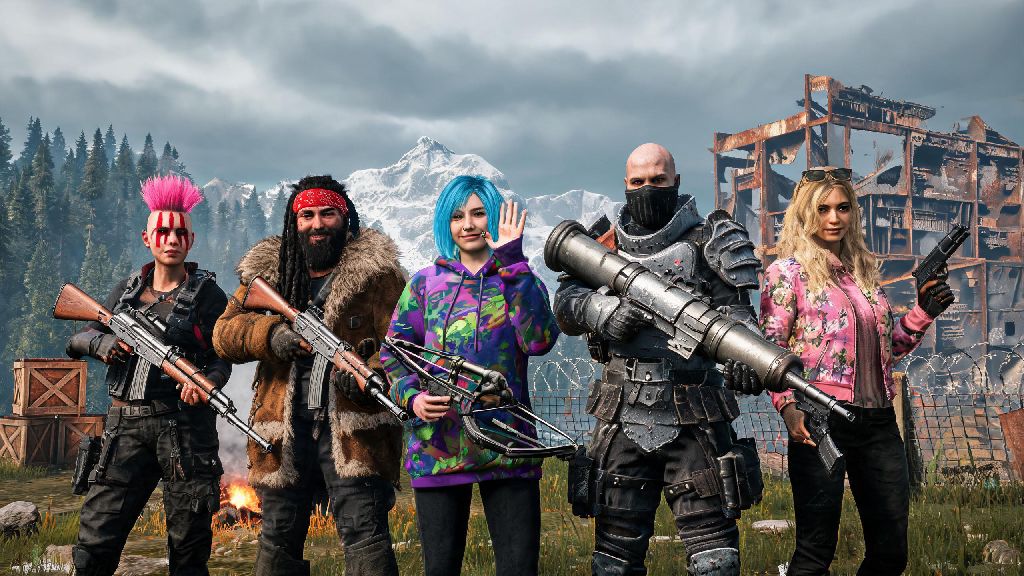
If you’ve spent any time spawning into Rust’s harsh open world, you’ve probably noticed that most new players look almost identical at first glance. It’s easy to mix up your squad mate with a random enemy when everyone’s wearing the same default jumpsuit and has the same generic default face. Learning how to change player model in Rust doesn’t just let you show off your personal style — it can also prevent costly friendly fire mistakes and make it easier for your team to spot you in crowded PvP fights. Most players don’t realize that the process is way simpler than it looks, and you don’t need to spend real money to get a custom look if you don’t want to.
Why Customize Your Rust Player Model in the First Place?
A lot of new players write off character customization as a pointless cosmetic feature, but it actually has real, tangible benefits for all playstyles. Even small tweaks to your hair, skin tone, or default clothing can make a huge difference in how your matches play out, whether you’re a solo stealth player or part of a 10-person zerg clan. The most common benefits players report include:
Step-by-Step: How to Change Player Model in Rust Before Spawning
The process to customize your model only takes a few minutes, and you only need to set it up once unless you want to change your look later. First, boot up Rust and head to the main menu, not an active server. Look for the small backpack icon in the top right corner of the screen, that’s your inventory and customization menu. Click on the “Character” tab on the left side of the menu, and you’ll see sliders for facial features, hair style and color, skin tone, and default clothing options. Adjust everything to your preferred look, then click the “Save Preset” button at the bottom of the screen. Always save your preset before exiting the menu, otherwise your changes won’t apply when you spawn into a server. If you’re still confused about how to change player model in Rust, you can test your preset in a private creative server first to make sure it loads correctly before joining a high-pop PvP server. Some servers disable custom character models to prevent pay-to-win advantages or unfair visibility perks, so check the server’s description before you join if you want to use a specific skin or look.
Can You Change Your Player Model Mid-Game in Rust?
This is one of the most common questions new players ask, and the short answer is usually no, at least not on official vanilla servers. Once you spawn into a match, your base character model (face, skin tone, hair) is locked until you die and respawn. You can still change your clothing and armor mid-game, which will change most of your visible look, but your underlying character model won’t shift. There are exceptions for modded servers, though. Many modded community servers have custom commands like /skin or /character that let you adjust your model at any time, as long as the server admin has enabled the feature. Never trust third-party tools that claim to let you change your model mid-game on official servers, they’re almost always loaded with malware or will trigger an anti-cheat ban that locks you out of your account permanently. If you hate your current look on an official server, you can choose to respawn, but you’ll lose all your loot, base access, and progress in that current wipe, so it’s only worth it if you’re still a fresh spawn with nothing to lose. If you’re looking for more tips on how to change player model in Rust, you can check official community forums for server-specific rules and popular preset ideas.
Common Mistakes to Avoid When Customizing Your Rust Player Model
Even though the customization process is simple, a lot of new players make avoidable mistakes that end up causing them frustration later on. First, don’t design your model only based on how it looks in the menu. The menu has bright, even lighting that doesn’t match the harsh, variable lighting in Rust’s maps. A skin that looks dark and muted in the menu might glow bright white in snow biomes, making you an easy target for snipers from hundreds of meters away. Stick to muted, terrain-matching tones if you prefer a stealthy solo playstyle, unless you want to be easy for your squad to spot. Second, don’t spend hundreds of dollars on rare skins right away. You can earn free skins just by playing the game for a few hours a week, and most rare skins don’t give you any practical advantage other than looking cool. Third, don’t ignore server rules around custom models and skins. Some PvP servers ban bright neon skins because they give players an unfair visibility advantage in dark areas, and you could get kicked or banned if you show up with a forbidden skin. Avoid using overly bright neon skins if you’re trying to lay low on a high-pop PvP server, even if they’re technically allowed. They’ll draw unwanted attention from every group within a 300-meter radius, which is the last thing you want when you’re trying to build a base quietly.
At the end of the day, customizing your character is one of the small quality of life changes that makes playing Rust feel more personal and fun. Whether you’re tweaking your look to help your squad spot you faster or just showing off a skin you earned from a recent Halloween or Christmas event, taking a few minutes to learn how to change player model in Rust will save you from annoying mistakes later on. You don’t need to be a pro or spend a lot of money to get a look that fits your playstyle — just follow the steps we laid out, test your preset before jumping into a server, and adjust as needed for the type of gameplay you prefer. Next time you spawn in, you won’t have to worry about your squad accidentally shooting you because you look like every other random new player on the map.