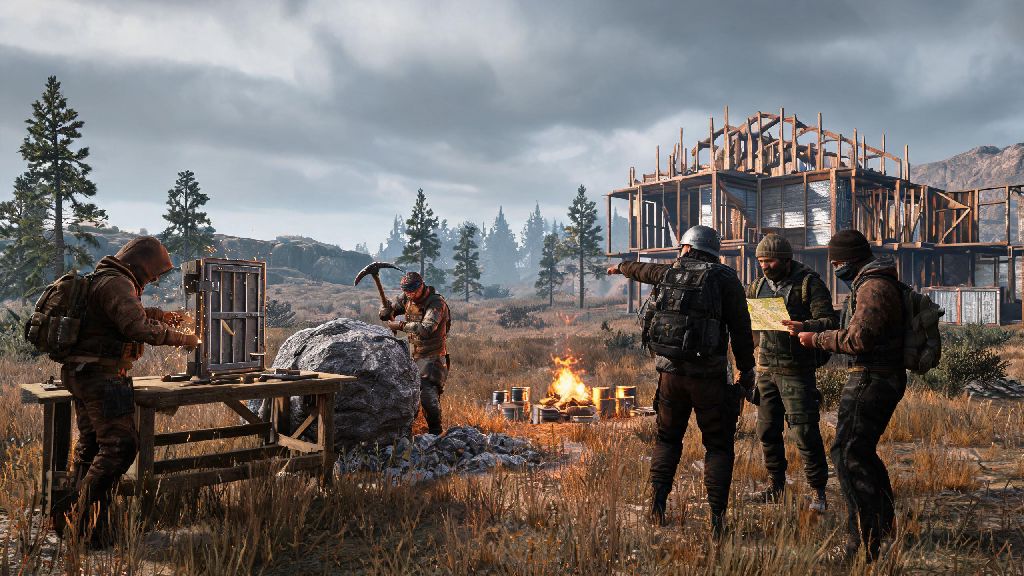
I still remember my first 3 Rust wipes: I spawned alone, farmed for hours, and got taken out by roving squads before I could even craft a metal door. I almost quit the game entirely until I found my first consistent group of teammates. Solo play has its raw, thrilling appeal, but it’s brutal for anyone who doesn’t have 6+ hours a day to grind base defenses and PVP practice. That’s why learning how to find people to play with on Rust is one of the fastest ways to make your gameplay less stressful and way more rewarding. You don’t have to stick to randoms who abandon you the second a raid starts, either. There are tons of low-effort ways to find teammates who match your playstyle, schedule, and skill level.
How to Find People to Play With on Rust Using In-Server Tools First
The easiest place to find teammates is right in the server you’re already playing on, no external apps required. When you spawn in for a new wipe, don’t immediately run off to the nearest forest to farm wood. Take 2 minutes to type a quick message in global chat explaining what you’re looking for. Be specific about your playstyle and schedule when you post, instead of just saying “looking for team”. For example, if you only play 2-3 hours a week after work and just want to build and farm without non-stop PVP, say that explicitly. You’ll filter out people who don’t match your vibe immediately.
You can also use the server scoreboard to find potential teammates. Most servers display player hours, ping, and even clan tags right on the scoreboard. Look for people with similar total play hours to you, or small clans that only have 2-3 members, as those groups are almost always open to adding one more reliable player. Avoid players who immediately ask for your Discord or personal info before you’ve even played 10 minutes together — that’s a common scam for people who want to steal your loot or grief your base later. If you find someone you mesh with during a match, add them as a friend on Steam right away, don’t wait until you log off, you might forget their username entirely.
Niche Community Spaces to Find Consistent Teammates
If you can’t find a good fit in random servers, you can turn to dedicated Rust community spaces that are built specifically for connecting players. Most large, popular Rust servers have their own Discord servers with dedicated LFG (looking for group) channels sorted by region, playstyle, and schedule. These channels are way more reliable than random in-chat requests, because everyone posting is actively looking for teammates, not just messing around in chat.
Reddit’s r/playrust community also has weekly pinned LFG threads that let you filter posts by time zone, playstyle, and experience level. Filter for posts that match your exact availability — if you’re only available on weekends on the US East Coast, don’t reply to a post from someone who plays 10pm weekdays in Europe, you’ll just end up never online at the same time. I’ve found 3 of my longest-running Rust teammates from a casual parent group I joined 2 years ago, for people who can only play after their kids go to bed. These smaller, niche communities have way less drama, and people are far more likely to show up for scheduled play sessions and share loot fairly.
What to Vet Before Committing to a New Teammate
Bad teammates are worse than playing solo, so you never want to agree to join a group or give someone base access without vetting them first. The first thing to check is playstyle alignment. If you want to be a peaceful base builder who only PvPs when attacked, and they want to raid every other clan on the server, you’re going to clash constantly. Ask about their non-negotiables first — do they require everyone to use a mic? Do they get mad if you log off early to handle real life stuff? Do they share loot evenly, or expect new players to farm for everyone else for their first few weeks?
Next, confirm that your time zones and schedules overlap for at least 2-3 hours a week. If you only play on Saturdays and they only play on Wednesday nights, you’ll never get any large builds or raids done together, even if you get along great. Do a 1-hour test run first before you share base access or give them your core loot. Just join a low-population casual server, build a small base together, and see how you mesh. If they rage at you for missing a wood farm run, or leave the second a bigger squad attacks, you know they’re not worth keeping around. It’s okay to say no if you don’t mesh. You don’t owe anyone a spot on your team, even if they messaged you first.
Common Mistakes to Avoid When Looking for Rust Teammates
So many new players jump on the first team offer they get just to avoid playing solo, but that usually leads to way worse experiences down the line. These are the most common mistakes I see new players make all the time:
I’ve seen new players give base access to someone they met 10 minutes earlier, only to log back on the next day to find all their loot stolen and their base completely destroyed. It’s far better to spend an extra hour looking for a good fit than to waste days of grind on a bad team. You also don’t have to stick to one team forever. If your playstyle changes, or your schedule no longer lines up, it’s perfectly fine to look for new teammates who match your current needs.
At the end of the day, learning how to find people to play with on Rust is all about being clear about what you want, vetting potential teammates properly, and not settling for people who make the game less fun for you. You don’t need a huge 10-man squad to have a good time — even one or two reliable teammates can make all the difference between getting wiped every 12 hours and holding a base for an entire wipe cycle. Take your time, try out different people, and don’t be afraid to be picky. The right teammates are out there, and they’re probably looking for someone just like you too.