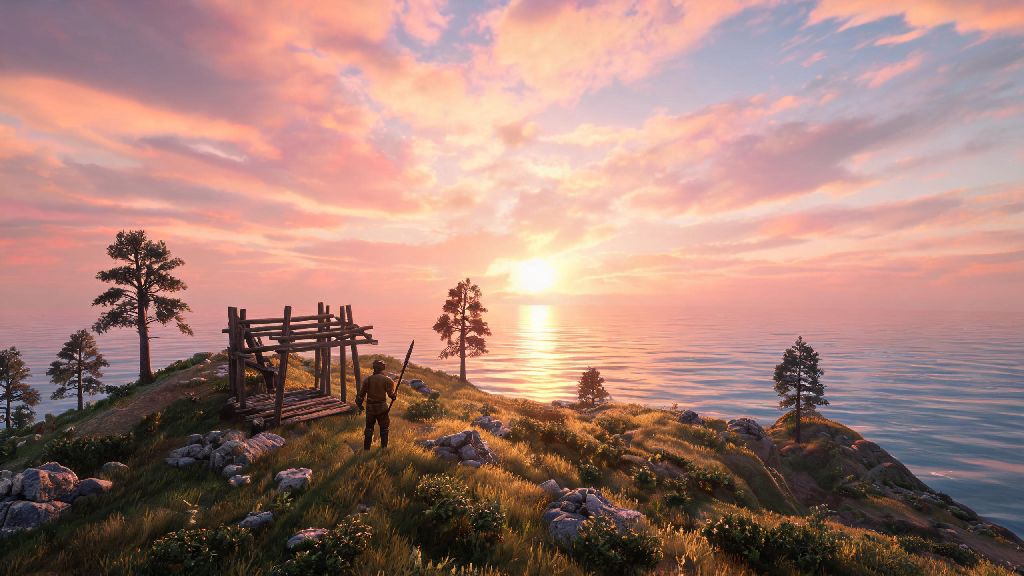
If you’ve scrolled through Rust gameplay clips recently and stumbled on footage of simpler, less crowded servers with older mechanics, you’ve probably seen Legacy Rust in action. Unlike the modern version of the game that gets regular updates and balance changes, Legacy Rust stays true to the 2015 build that first made the survival title a viral hit among gamers. If you’re tired of overwhelming new features, complicated tech trees, and sweats who play 12 hours a day, learning how to play Legacy Rust can feel like a breath of fresh air. This guide breaks down everything you need to know to spawn, survive, and thrive without the frustration of getting wiped by players with endgame gear in your first hour.
What Makes Legacy Rust Different From Modern Rust?
If you’ve only ever played modern Rust, adjusting to how to play Legacy Rust can feel surprisingly easy at first, since there are far fewer mechanics to memorize. There’s no tech tree to grind, no monthly patch notes to study, and no complicated electricity or farming systems to master. All crafting recipes are available from the moment you spawn, so you don’t have to spend hours completing chores to unlock basic tools like hatchets or furnaces.
Most Legacy servers cap population at 50 to 100 players, so you won’t run into groups of 20 sweats roaming the map nonstop. The maps are also smaller than modern Rust maps, so you don’t have to walk for 20 minutes just to find a safe spot to build your first base. Legacy Rust never gets updates, so mechanics you learn today will still work a year from now, which is a huge plus if you don’t have time to keep up with constant game changes.
It’s not all perfect, of course. There are far fewer official Legacy servers, so you’ll have to join community-run ones, but most have active admins that ban cheaters and toxic players quickly. I’ve played on the same Legacy server for three years, and I’ve only run into a handful of cheaters the entire time, which is way less than I’ve encountered in modern Rust.
How to Play Legacy Rust: Core Gameplay Basics for New Players
When you first spawn into a server, you’ll only have two items: a rock and a torch. Your first priority is to gather 50 wood by punching trees, which lets you craft a stone hatchet. Always prioritize gathering 50 wood first to make a stone hatchet, it cuts your resource gathering time in half compared to using your starting rock. Once you have the hatchet, gather 200 more wood and 100 stone to make a stone pickaxe, which lets you mine ore and stone far faster.
One of the best parts of learning how to play Legacy Rust is that you don’t have to grind for hours to unlock essential crafting recipes. You can make a furnace, a base, a bow, and even basic guns as soon as you have the required resources, no XP or research required. Once you have a few basic tools, hunt a pig or chicken to get food, because your hunger bar drains pretty fast in the first hour of gameplay.
Don’t worry about exploring monuments or looking for guns in your first 30 minutes. Focus on gathering enough wood and stone to build a small base first, because you’ll lose all your items if you die before you have a spot to store them. If you’re still getting used to how to play Legacy Rust, start with PvE-only servers first to practice combat and resource gathering without getting attacked by other players.
Essential Tips to Avoid Getting Raided in Your First Week
Getting raided is the most frustrating part of any Rust playthrough, but it’s far less common in Legacy Rust if you follow a few simple rules. Never leave your base door open when you go out gathering, even if you’re only gone for two minutes — I learned this the hard way when I lost an entire base worth of gear because I ran 10 feet away to kill a deer and someone snuck in and stole everything. Upgrade your base walls from wood to stone as soon as you have 300 stone per wall, since stone walls take 3x more C4 to break through than wooden ones.
Follow these simple rules to cut your raid risk by 80%:
A common mistake new players make when they first learn how to play Legacy Rust is building a flashy 3-story base right after spawning. That’s like hanging a “raid me” sign over your base, because raiders assume big bases have lots of valuable loot. Keep your build small and low-key for the first week, and you’ll fly under the radar of most experienced players.
How to Get Started With PvP and Endgame Legacy Rust Content
Once you have a stable base and a stockpile of resources, you can start exploring monuments like rad towns to find rare loot like guns, ammo, medical supplies, and C4. Radiation is far less punishing in Legacy Rust than in the modern version, so you don’t need a full hazmat suit to explore most rad towns. A simple cloth face mask and a few rad pills are enough to keep you safe from radiation poisoning in all but the most contaminated areas.
Always carry a medical syringe with you when you go exploring, it can heal you from near death in seconds if you get shot or attacked by a bear. If you’re new to PvP, practice with a bow first before you start using guns, since ammo is pretty rare early on. Most Legacy servers host regular PvP events like team deathmatches or base raid competitions, which are a great way to practice combat without risking your own base or loot.
If PvP isn’t your thing, you can still have tons of fun in Legacy Rust. Many players spend hundreds of hours building large, elaborate bases, farming resources, and helping new players spawn in with tools and food. There’s no right or wrong way to play, so you can tailor your experience to whatever you find most fun.
Legacy Rust isn’t for everyone, but if you want a simpler, more nostalgic survival experience that doesn’t require 40 hours a week of grinding to stay competitive, it’s well worth trying out. You don’t need to memorize hundreds of recipes or keep up with monthly patch notes to have fun — all you need is a little patience and willingness to learn from your mistakes. Whether you’re a returning player who missed the old days or a new player who’s tired of modern Rust’s endless updates, knowing how to play Legacy Rust opens up a whole new world of low-stakes, high-fun survival gameplay. Give it a try this weekend, and you might just find your new go-to survival game.