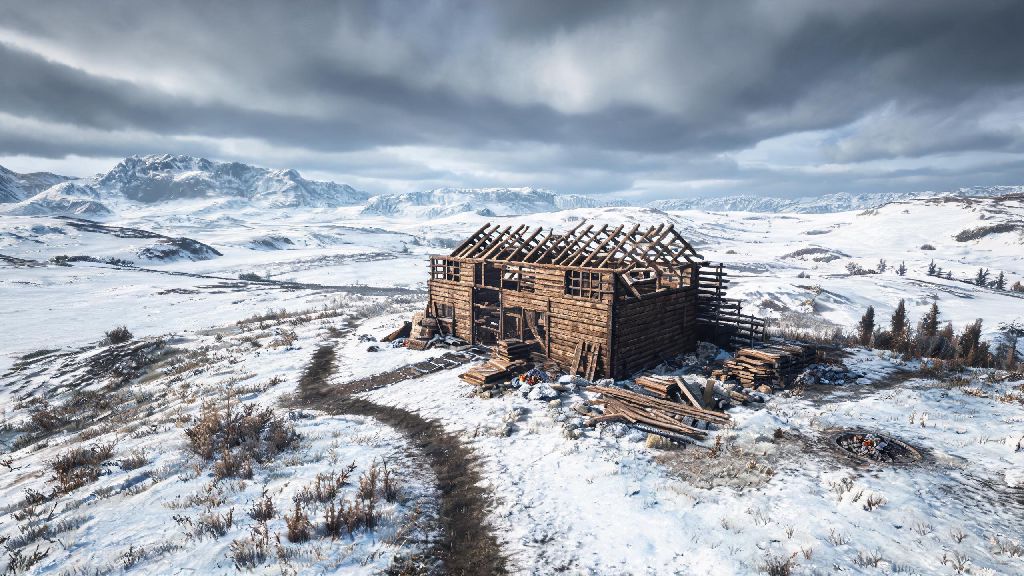
If you’ve ever logged onto a public Rust server just to get spawn-killed three times in 10 minutes, or lost hours of base building to a roaming clan of 8, you’ve probably wondered if there’s a lower-stakes way to enjoy the game. Learning how to play offline Rust is the perfect solution for anyone who wants to mess around without the pressure of constant PvP, test new base designs, or practice your aim and resource farming routes when you don’t have internet access. It’s not just for new players either; even veteran Rust players use offline mode to test new patch changes before bringing builds to public servers. You don’t need any special mods or paid DLC to get started, and the whole setup process takes less than five minutes if you follow the right steps.
What You Need Before You Set Up Offline Rust Play
First, you’ll need a legitimate copy of Rust purchased and downloaded through Steam. Pirated copies of the game almost never support offline mode, and they often come with malware or corrupted files that can damage your device. Most players who are new to how to play offline Rust assume they need to download third-party server software, but that’s not the case at all.
You do not need a separate server rental or modding experience to run an offline instance, that’s a common misconception spread by old forum posts that haven’t been updated in years. You will need to launch Rust at least once while connected to the internet first, to make sure all game files are verified and updated to the latest version. I’ve used offline mode on cross-country flights plenty of times to test out new electrical systems that dropped in recent patches, and it’s never once failed me as long as I set it up before I lost internet.
Offline progress is saved locally on your device, so you won’t lose your base if you close the game and come back later. You can even back up your save files to an external drive if you want to keep multiple separate offline worlds for different playthroughs.
How to Play Offline Rust: Step-by-Step Setup Process
The setup process is straightforward, even if you’ve never adjusted game launch settings before. Follow these steps exactly to avoid common launch errors, and you’ll be in your offline world in no time:
Once you’ve completed these steps, you’re all set with how to play offline Rust, and you can adjust your in-game settings to make the experience as easy or challenging as you want. For example, you can turn off NPC raids entirely if you just want to build without interruptions, or crank up loot spawn rates if you want to test high-tier gear without grinding for hours.
If you want to go back to playing on public servers later, just delete the launch options you added, and the game will revert to normal. I’d recommend writing down the launch code somewhere easy to find so you don’t have to search for it every time you want to switch between online and offline play.
Top Benefits of Playing Rust in Offline Mode
Offline mode isn’t just a backup for when you don’t have internet; it’s a completely separate way to enjoy Rust that fits a lot of playstyles the public server ecosystem doesn’t cater to. First and most obviously, you get zero PvP interruptions. You can take as long as you want to learn the crafting system, explore the map, or build an elaborate base without worrying about someone showing up with rocket launchers while you’re out gathering stone.
Offline mode is the best training ground for new players who haven’t memorized crafting recipes or resource spawn locations yet. You can make mistakes without losing hours of progress, and you don’t have to deal with toxic chat or spawn campers while you learn the basics. One of the most underrated perks of how to play offline Rust is that you can adjust every game setting to fit your playstyle, from how much damage NPCs do to how fast resources respawn.
You can also mess around with features you’d never risk on a public server, like building a massive base entirely out of high-quality metal, or spawning in rare items to test how they work without grinding for hours to get them. I once spent an entire afternoon setting up a fully automated farm with lights, sprinklers, and turrets in offline mode, just for fun, and I never would have wasted that much resources on a public server where it could get raided the next day. The only real downside is that you can’t invite friends to your offline session, so if you want to play with other people, you’ll need to set up a private dedicated server instead.
Common Offline Rust Issues and How to Fix Them
Most players never run into issues with offline mode, but there are a few common problems that pop up for people setting it up for the first time. The most frequent issue is the game crashing when you try to launch it. That almost always happens if you typed the launch options wrong, or if you didn’t verify your game files while connected to the internet. Double-check that you entered the code exactly as listed, and verify your game files through Steam if the problem persists.
Another common issue is that your saved offline world disappears unexpectedly. That’s usually because you saved it while using a mod, or you moved your Steam library to a new drive without transferring the save files. You can back up your offline Rust saves by copying the files from your Steam userdata folder to a separate location on your device, so you never lose hours of progress even if you change your Steam setup.
You might also run into issues where NPCs or loot don’t spawn correctly, or the map feels empty. That’s almost always a setting issue, just go back to the map creation menu and make sure you didn’t turn off NPC spawns or set loot rates to zero by accident. I’ve made that mistake before, spent 20 minutes running around a completely empty map before I realized I’d toggled loot spawns off when I was testing a build the week before. If the game asks you to connect to the internet even when you have the right launch options, make sure you switched Steam to offline mode first. That’s a small step a lot of people miss when they’re first learning how to play offline Rust, and it can save you a lot of frustration if you remember it ahead of time.
At the end of the day, Rust doesn’t have to be all about fighting for survival against hundreds of other players on crowded servers. Whether you’re a new player still learning the ropes, a veteran testing new builds, or someone who just wants to mess around with the game’s crafting and building systems without stress, knowing how to play offline Rust opens up a whole new way to enjoy the game. You don’t need any special tools or experience to get set up, and you can switch between offline and online play whenever you want in just a few clicks. Next time you don’t feel like dealing with toxic chat or random raids, give offline mode a try – you might be surprised how much fun you can have playing Rust completely solo.