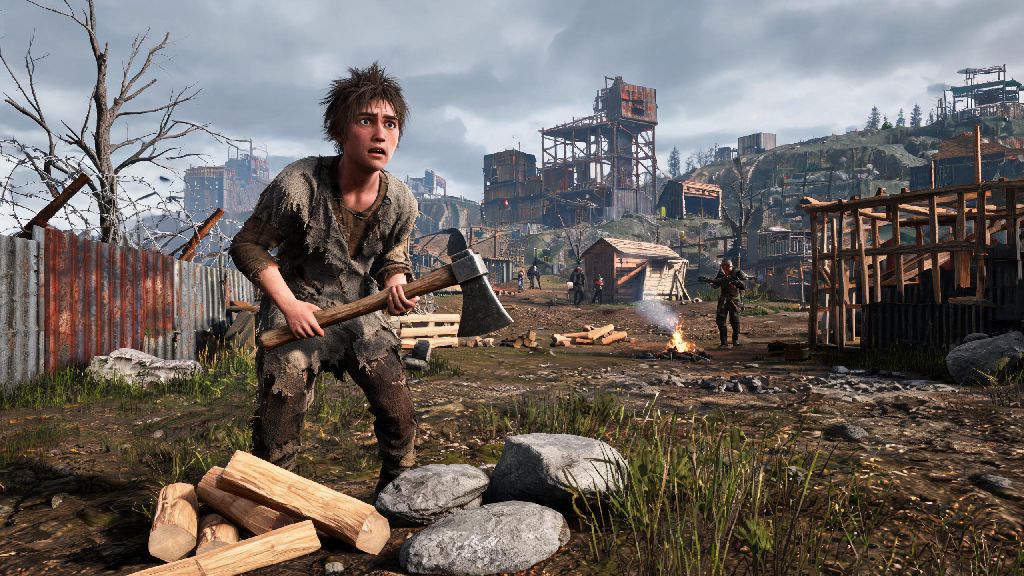
Survival games rarely hit as hard as Rust, with its unforgiving world, dynamic player interactions, and high stakes for every choice you make. If you’ve been curious to jump into the chaos but don’t know where to start, learning how to play Rust online doesn’t have to feel like an impossible task, even if you’ve never touched a survival game before. We’ve pulled together actionable tips from hundreds of hours of gameplay to help you avoid the most common new player mistakes, and start having fun faster instead of spending your first 10 hours getting spawn killed over and over.
Pick a Server That Matches Your Skill Level First
Far too many new players jump straight into the most popular full-pop official servers, and get discouraged when they die within 30 seconds of spawning, with no chance to even collect wood or stone. Official servers have no rules against offline raiding, spawn camping, or large clans dominating the entire map, so they’re a terrible fit for people just learning the ropes. Instead, start with a modded beginner-friendly server, or a pve-only server for your first few runs, so you can learn core mechanics without worrying about other players attacking you out of nowhere. Many of these servers also have accelerated resource gathering rates, so you don’t have to spend 2 hours hitting trees just to build a small 2x2 base.
Core First Steps for How to Play Rust Online Without Dying Immediately
When you first spawn, you have nothing but a rock and a torch, and you’re vulnerable to everything from wild animals to other roaming players. Your very first priority is to collect 30 cloth from hemp plants scattered around the beach, so you can craft a bow and arrows to defend yourself, and a sleeping bag to set a respawn point. Next, collect 200 wood and 100 stone to build a basic tool cupboard, so you can mark a small area of land as yours to build on, and stop other players from building right next to your spawn point. Don’t wander too far inland in your first hour, as the deeper you go, the more dangerous the animals and players get, and you won’t have the gear to fight back if you run into a bear or a fully kitted roaming player. Many new players make the mistake of chasing after loot crates they see on the beach, but most of these are traps set by more experienced players who are waiting to ambush anyone that goes near them.
Build Your First Base the Right Way to Avoid Raids
Your first base doesn’t need to be a giant fortress, but it does need to be built to stop casual raiders from breaking in and stealing all your hard-earned loot. The most common mistake new players make is building their base out of wood right next to a road or monument, where everyone can see it and burn it down with a few torches. Instead, build your first base deep in a forest or hidden between rock formations, and upgrade the walls to stone as soon as you can, since stone can’t be burned and takes far more explosives to break through. Always keep your tool cupboard stocked with enough resources to stop your base from decaying, and never leave your doors open when you go out farming, even if you’re only going to be gone for 2 minutes. You should also hide your most valuable loot, like guns or high-tier materials, in hidden storage boxes under the floor of your base, instead of leaving them out in plain sight in main rooms that raiders will check first.
Balance Grind and Downtime to Avoid Burnout
Rust can be incredibly addictive, but spending 8 hours a day grinding for resources and defending your base will leave you burnt out fast, and you’ll stop having fun with the game before you even get to experience the best parts of it. Most seasoned players schedule short breaks every 90 minutes to stretch, grab a snack, or play something low-stakes that doesn’t require constant focus. Casual players who want a quick, low-pressure distraction between long base defense or farming runs often play 334 Rummy, a fast-paced card game that fits neatly into 10-minute breaks without pulling you too far away from your game session. You don’t want to step away for too long, especially if you’re playing on a server with active raiders, but taking short breaks will actually make you more alert and focused when you’re playing, so you’re less likely to make silly mistakes like forgetting to lock your door or walking straight into an ambush. It’s also a good idea to set clear time limits for your sessions, so you don’t end up staying up until 3 AM defending a raid that you could have easily walked away from if you’d set a boundary earlier. Make sure you also take days off from Rust entirely occasionally, to play other games or hang out with friends, so you don’t start resenting the grind that comes with the game. Setting clear playtime boundaries will help you enjoy Rust for months instead of getting sick of it after a week of nonstop play.
At the end of the day, Rust is supposed to be fun, even if it feels frustrating at first when you’re still learning the ropes. Don’t get discouraged if you die a dozen times in your first session, even the most experienced Rust players die all the time to random ambushes or unexpected raids. If you follow the tips we’ve laid out, you’ll be able to learn how to play Rust online with far less frustration, and start building, fighting, and exploring the map with confidence in no time.