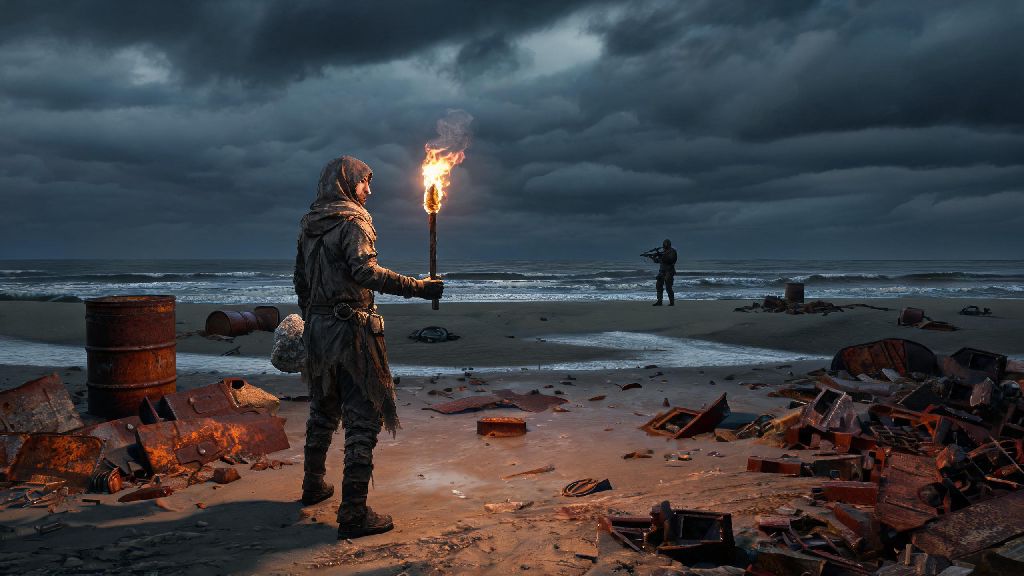
If you’ve ever spawned on a Rust beach with nothing but a rock and a torch, only to get taken out by a guy with a crossbow 10 minutes later, you know how brutal the game can be for new players. A lot of new players give up after their first three or four runs, because they don’t know the unwritten rules that separate survivors from players who get raided before they even build their first wooden wall. This guide breaks down exactly how to play Rust PC without the frustration of learning every lesson the hard way, drawing on 300+ hours of playtime across PvE, PvP, and modded servers to give you actionable advice that works right out of the gate, whether you want to play solo, with a friend, or join a big clan.
Start With the Right Server Settings Before You Learn How to Play Rust PC
If you jump straight into a 100-player official PvP server when you’re first figuring out how to play Rust PC, you’re almost guaranteed to get destroyed within your first hour of play. Official servers have 1x gather rates, no offline raid protection, and are full of experienced players who hunt new spawns for fun. You don’t have to prove anything by starting on the hardest server possible, and picking the right server for your skill level will make your first few runs way more enjoyable. Stick to 3x gather rate modded servers for your first 10 to 20 hours of playtime. These servers cut down on the tedious resource grinding so you can focus on learning core mechanics like base building and combat without spending 2 hours punching trees just to make a single wall. Look for servers with less than 50 active players, marked “friendly” or “beginner” in the description, and with offline raid protection rules. That means no one can blow up your base while you’re logged off, so you don’t have to worry about losing all your progress when you take a break for the night. So make sure you filter servers by ping first, too. A ping over 100 will make looting, building, and fighting feel sluggish and unresponsive, and you’ll lose fights you should have won just because of lag. Most server browsers let you sort by ping automatically, so you can find low-latency servers near you in seconds.
Master Core Looting and Resource Gathering Routines First
As you learn how to play Rust PC, you’ll start to recognize which loot is worth picking up and which you can leave behind to save inventory space, but there’s a clear priority list for your first 10 minutes of every run. First, punch 50 wood from nearby trees to make a stone hatchet and a wooden pickaxe, then look for hemp plants along the beach to get 10 cloth for a sleeping bag. That sleeping bag is the most important item you’ll make early on, because it lets you respawn at your base instead of back on the beach if you die. Skip running to big monuments like the Dome or Airfield for your first few looting runs. Those spots are always packed with experienced players with guns who will kill you on sight for your small stack of resources. Instead, stick to roadside junk piles that spawn along dirt roads across the map. These piles have all the low-tier loot you need early on: metal fragments, cloth, food, and even occasional crossbow or pistol parts, with almost no risk of running into other players. One of the first rules you’ll pick up as you learn how to play Rust PC is that you should never leave home without a sleeping bag stashed in your base, and you should never carry all your resources with you when you go looting. Stash half of every resource you gather in your base before you head out again, so if you do get killed by a wolf or another player, you don’t lose everything you’ve worked for. Also, always cook your meat over a campfire before eating it, raw meat gives you food poisoning that will drain your health over time, and you can’t afford to lose health early on when you have no meds.
Build Your First Base to Avoid Common Raid Targets
When you’re new to learning how to play Rust PC, it’s easy to get excited and build a huge, flashy base that draws attention from every player within a mile radius. That’s the fastest way to get raided, even on low-pop servers. Most experienced raiders look for bases near high-traffic areas like spawn points or monuments, because they know new players build there and have lots of unprotected loot. Pick hidden forest or hill locations at least 200 meters away from any monument or main road for your first base. You want it to be far enough away that random players won’t stumble across it by accident, but close enough that you can run to loot spots quickly. Your first base doesn’t need to be big, either. If you’re playing solo, a 2x1 footprint is more than enough to hold all the items you need early on, and it’s way cheaper to upgrade to stone or metal later. Your first base should include these four core items, no exceptions:
Learn Basic PvP and Conflict Avoidance Rules
A big part of learning how to play Rust PC is knowing when to fight and when to run away. You don’t have to engage every player you see, especially early on when you only have a bow and stone tools. Most experienced players will leave you alone if you don’t bother them, and fighting someone with better gear than you is almost always a waste of resources, even if you think you can win. Follow the "voice chat first" rule whenever you run into another player. If you greet them calmly over voice chat and say you’re a new player just looting, 9 times out of 10 they’ll leave you alone, especially on low-pop or PvE servers. A lot of players are just looking for people who shoot first, so being friendly will save you from a lot of unnecessary fights. If they do pull a weapon on you, run for cover immediately, don’t stand there trying to talk your way out of it. When you’re first getting the hang of how to play Rust PC, stick to PvE or low-pop PvP servers to practice your aim and combat mechanics without the pressure of being hunted by experienced players every five minutes. Bows are the best early PvP weapon, they’re cheap to make, use easy-to-find arrows, and can take down a player in leather armor with two well-placed headshots. Save guns for when you have a secure stone base and at least 10 hours of playtime under your belt, because they’re expensive to make and you’ll probably lose them to the first experienced player you run into if you don’t know how to aim properly. Make sure you understand the offline raiding protection rules for your server before you log off for the day. Some servers only protect bases for 6 hours after you log off, so if you’re going to be gone for longer than that, make sure you stash all your valuable loot in a hidden secondary stash somewhere far from your main base. That way even if your base does get raided while you’re gone, you won’t lose everything.
At the end of the day, Rust is meant to be chaotic and fun, not a source of constant frustration when you lose everything every time you log on. You don’t have to be a pro player with thousands of hours to have a good time, as long as you stick to the basics we covered here. Take your time, experiment with different server types and playstyles, and don’t get discouraged if you get raided or killed a few times when you’re starting out. Once you get the hang of how to play Rust PC, you’ll find that no two runs are ever the same, and there’s always a new challenge to take on, from building a giant clan base to taking down a heavily guarded monument for high-tier loot.