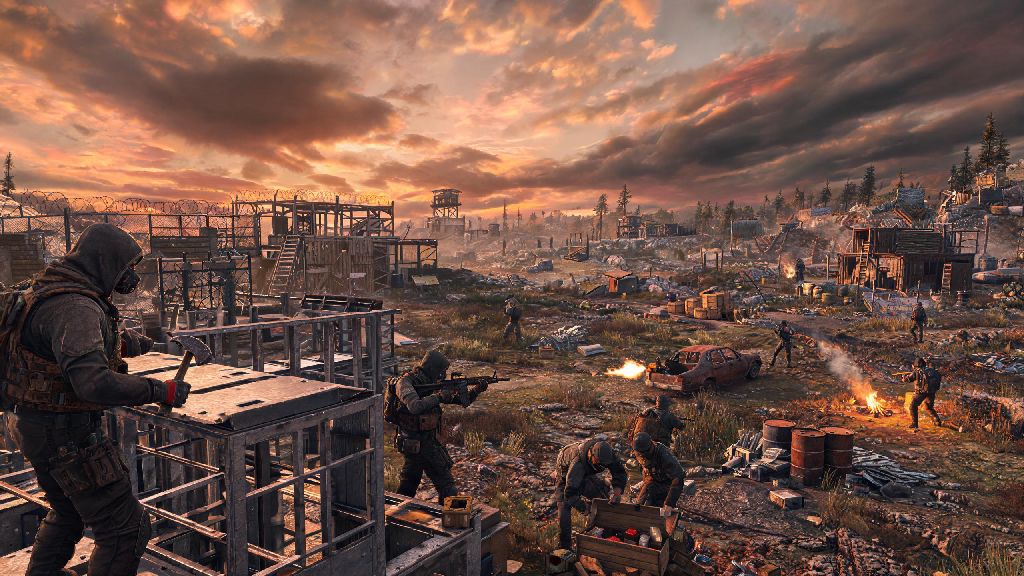
If you’ve scrolled gaming forums or watched survival game streams in the last decade, you’ve almost certainly seen clips of Rust’s chaotic, player-vs-player worlds. It’s normal to wonder do people still play Rust, especially as hundreds of new survival games launch every year competing for player attention. I’ve dipped in and out of Rust servers since 2018, and I’ve seen the game shift from a niche indie hit to a mainstream streaming staple, with plenty of ups and downs along the way. This post breaks down current player numbers, what’s keeping fans hooked, and who should consider giving the game a try today.
Do People Still Play Rust? Current Player Count Stats
As of the latest public data, Rust pulls in over 12 million monthly active players across all platforms, with numbers holding steady and even growing slightly quarter over quarter. On Steam alone, peak concurrent players regularly hit 160,000+, making it one of the top 20 most played games on the platform year round. Console versions for Xbox and PlayStation add another 3.5 million monthly active players, and those numbers don’t include users on private, unlisted servers or third-party launchers.
One of the most surprising stats is that Rust’s player count has grown 32% in the last two years, even as other 2010s-era survival games like DayZ and 7 Days to Die have seen slow, steady declines in their core user bases. It’s not uncommon to see Rust jump into the top 10 most streamed games on Twitch during major content updates, with hundreds of thousands of viewers tuning in to watch streamers raid bases or participate in server-wide events.
What Keeps Rust’s Player Base Coming Back Year After Year
The biggest driver of Rust’s long-term success is its consistent, community-focused update schedule. Developer Facepunch Studios releases a small content or quality of life update every single month, plus one major annual update that adds new biomes, core mechanics, or game modes. No two updates feel like filler, and the team regularly polls players to decide what features to prioritize next.
Another huge draw is the sheer variety of server options available, so players can tailor their experience exactly to their playstyle. You don’t have to put up with being raided every time you log off if you don’t want to, and there are servers for every possible preference:
Unlike many live service games that lock all the best content behind paid battle passes, almost all of Rust’s core updates are free for all players. The only paid DLC is optional cosmetic packs for skins and building decorations, so you never have to spend extra money to access new mechanics or map areas. The game’s unscripted chaos also means no two play sessions are ever the same, so you won’t get bored of repeating the same linear missions over and over.
Common Misconceptions About Rust’s Popularity
One of the most common myths I hear is that Rust is only for hardcore players who have 20+ hours a week to spend grinding. That might have been true when the game first launched in early access, but modern Rust has dozens of quality of life features for casual players, including base protection for people who can only log in a few times a week. Longer wipe cycles (up to 30 days on many servers) also mean you don’t have to rush to build a secure base before the map resets.
Another myth is that Rust is a toxic game with no moderation. While unmoderated public servers can have bad actors, the vast majority of popular servers have active mod teams that crack down on griefing, cheating, and harassment. Many servers also have dedicated new player zones with PvP disabled, so you can learn the basics without being attacked by more experienced players. Plenty of casual players only log in 2 to 3 hours a week and still have a great time, as long as they pick the right server for their schedule.
Some people also assume Rust’s player base is made up entirely of people who have been playing for years, but 22% of current players started the game in the last 12 months, according to recent player surveys. The new player onboarding has also been completely revamped, with a full tutorial island that teaches you the basics of gathering, building, and fighting before you join a public server.
Is Rust Worth Playing For New Players Right Now?
If you’ve been wondering do people still play Rust and if it’s worth joining them, the short answer is yes, as long as you go in with the right expectations. If you like open world games, social play, and don’t mind occasional setbacks (like losing your base to a raid), you’ll probably have a great time. Even if you hate competitive PvP, there are dozens of PvE and roleplay servers that eliminate that part of the game entirely.
Before you buy, it’s a good idea to watch a few streams of casual Rust play to see if the core loop appeals to you, instead of jumping straight into a hardcore public server. The game goes on sale for 50% off a few times a year on Steam, and there are regular free weekends where you can test the full game without spending any money. If you plan to play with friends, make sure you pick a server that fits all of your schedules and playstyle preferences first, to avoid frustration later.
If you prefer linear, story-driven games where you never lose progress, Rust probably isn’t the right fit for you. But if you like unscripted, social gaming experiences that feel different every time you log in, it’s one of the best options on the market right now.
At the end of the day, it’s clear the answer to do people still play Rust is a resounding yes, and the community is only getting bigger as the game continues to evolve. You don’t have to be a pro gamer or have hours of free time every day to enjoy what it offers, as long as you pick the right server for your playstyle. Whether you’re looking for a new game to play with friends, or just want to dip your toes into chaotic open world survival, Rust has something to offer nearly every type of player.