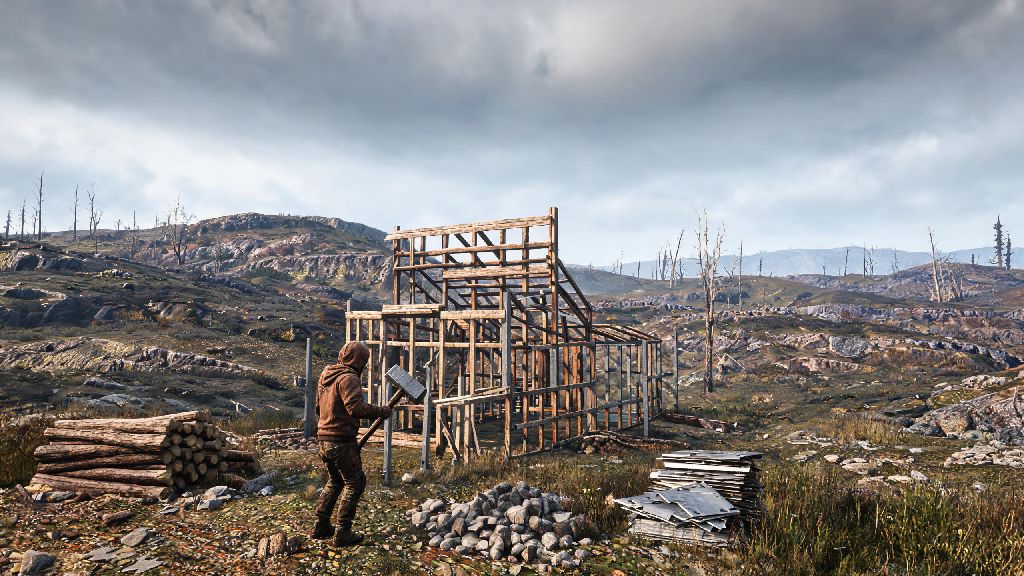
If you’ve just picked up a copy of Rust or are considering buying it, you’ve probably wondered do you have to play rust online to enjoy the game. For years, Rust has had a reputation as a chaotic, hyper-competitive online survival game where veteran players raid new spawns within minutes of joining a server. But that’s not the only way to play, and the game has evolved a lot since its early access launch to support a wider range of playstyles. Whether you hate dealing with toxic random players, have spotty internet, or just want to practice building before you jump into public lobbies, there are options that fit your needs.
Do You Have to Play Rust Online to Access All Game Content?
The short answer is no, you don’t need an internet connection to access the vast majority of Rust’s content. All core gameplay mechanics work in offline mode, from building bases and crafting tools to farming resources, fighting NPC enemies like scientists and bears, and exploring the full procedural map. You won’t miss any of the base game’s core loops if you choose to play offline exclusively.
The only content you won’t be able to access without an internet connection is player-versus-player interactions, community-run events, and modded server exclusive content like custom maps or game modes. None of this content is required to enjoy the game, and you can still sink hundreds of hours into Rust without ever joining an online server. I’ve spent dozens of hours testing base designs and practicing combat in offline mode, and I’ve never run into a feature that was locked behind online play.
What Offline Rust Play Offers for Casual and New Players
Offline mode is far more than just a practice tool for people who want to play online later. It’s a fully valid playstyle for people who prefer low-pressure, solo survival experiences. Offline mode is the best low-stakes way to learn Rust’s mechanics without getting repeatedly killed by more experienced players who have spent thousands of hours in the game.
When you play offline, you have full control over every part of the game experience, which makes it perfect for casual players who don’t have hours every week to dedicate to protecting their base. Some of the biggest benefits of offline Rust include:
If you have limited time to play or get frustrated by losing progress for reasons outside your control, offline Rust might be a better fit for you than public online servers. You can take as long as you want to build, explore, and experiment without any pressure.
Alternatives to Public Online Rust Servers
If you don’t want to play alone but also don’t want to deal with the chaos of public online servers, there are plenty of middle-ground options to choose from. Private friend-only servers are one of the most popular options for small groups. You can run your own private server for free on your home PC if you only plan to play with 2-4 friends, or pay a small monthly fee for a hosted server that can support larger groups. Private servers let you customize everything from map size to wipe schedules, so you can make the game fit exactly what your group wants.
Community-run PvE servers are another great option if you want to play with other people without the risk of getting attacked. On these servers, player-versus-player damage is completely turned off, so you can collaborate with other players to build large bases, take on NPC events, and explore the map without worrying about getting raided. PvE Rust servers are one of the fastest growing segments of the game’s community, with thousands of active players at any given time and servers tailored to every playstyle, from relaxed casual servers to hard-core survival servers.
There are also specialized solo servers that have strict rules against grouping, so you don’t have to fight teams of 4 or 5 coordinated players if you prefer playing alone online. These servers often have limits on how large bases can be and how much loot players can store, which levels the playing field for solo players.
How to Decide If Online or Offline Rust Is Right for You
The best way to pick a playstyle is to ask yourself what you want out of the game first. If you love competitive PvP, unscripted chaotic interactions, and the thrill of raiding other players’ bases, public online servers are going to be the most fun for you. If you prefer slow, relaxed gameplay where you can build and explore at your own pace without stress, offline mode or PvE servers are a much better fit.
You don’t have to stick to one playstyle forever either. A lot of players switch between offline mode, private friend servers, and public servers depending on their mood and how much time they have to play. If you’re brand new to the game, I recommend spending 5-10 hours in offline mode first to learn how crafting, building, and combat work before you join any online lobbies, it will save you a lot of frustration.
If you have spotty or limited internet, offline play is the only reliable option, so you don’t have to worry about lag or disconnects mid-fight or mid-build. You also won’t have to deal with server queues or downtime during peak play hours, which is a common complaint for popular public servers.
At the end of the day, the answer to do you have to play rust online is a clear no, and there are more ways to enjoy the game than ever before. You don’t have to force yourself to play on chaotic public servers if that’s not your idea of fun, whether you prefer playing alone offline, with a small group of friends on a private server, or on a low-pressure PvE community server. Rust’s biggest strength is how flexible it is, so you can tweak your play experience to fit exactly what you’re looking for at any time. Next time you load up the game, try a new playstyle you haven’t considered before, you might be surprised by how much fun you have.