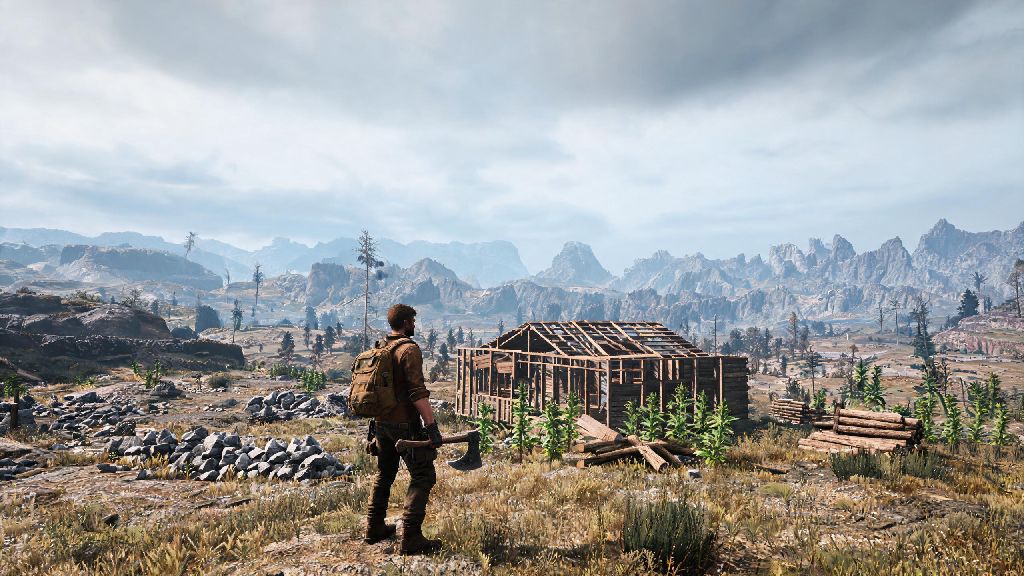
If you’ve ever spent hours getting ganked by roaming clans in public Rust lobbies, you’ve probably wondered does rust have a single player mode you can enjoy without random player interference. For a lot of casual players, Rust’s cutthroat multiplayer environment is part of the charm, but it’s not for everyone. Sometimes you just want to learn the crafting system, build a crazy base, or explore the map without worrying about someone blowing up your hard work while you’re logged off. This guide breaks down everything you need to know about solo play in Rust, from setup to pro tips to make your sessions worth it.
Does Rust Have a Single Player Mode Built Into the Game?
The short answer is yes, you can absolutely play Rust entirely on your own without joining any public or private multiplayer lobbies. Facepunch Studios added official single player support years ago as part of the game’s base build, so you don’t need to download any third-party mods or pay for a private server to access it. That said, it’s not a dedicated single player campaign with a pre-written story or set objectives, which confuses a lot of new players who search for this feature. Rust’s single player mode is essentially a private, offline server that only you can access, with all the same core mechanics, enemies, and crafting systems you’d find in a public multiplayer lobby. You still have to manage hunger, thirst, radiation exposure, and defend your base from AI threats like bears, wolves, and scientists. The only difference is there are no other real players to compete or cooperate with. A lot of players use this mode to practice new build designs, test out weapon stats, or learn the map before jumping into competitive multiplayer lobbies, but you can also play it exclusively as a full solo survival experience if that’s what you prefer. You don’t have to ever touch multiplayer if you don’t want to, and you won’t miss out on any of the core survival gameplay that made Rust famous.
How to Set Up Rust Single Player in 3 Simple Steps
Setting up your single player Rust server takes less than 5 minutes, even if you’ve never messed with server settings before. You don’t need any advanced technical skills to get it running, just a legal copy of the game on Steam. Follow these steps to get started:
Key Differences Between Rust Single Player and Public Multiplayer
Even though the core survival mechanics are identical between the two modes, there are some big differences that can change how you approach the game entirely. A lot of new players assume single player will be easier, but that’s not always the case depending on how you adjust your settings. The biggest difference is that you don’t have to worry about offline raids in single player. On public servers, it’s extremely common for other players to blow up your base and steal all your loot while you’re logged off, which can make casual play feel unrewarding for people who don’t have 10+ hours a week to dedicate to the game. In single player, your base stays exactly as you left it every time you log out, so you don’t have to spend hours building layered defenses just to protect your progress. Another big difference is that you can control the pace of the game entirely. If you want to turn off NPC enemies entirely to focus on building, you can do that. If you want to crank up resource spawn rates to build a massive base in a single session, that’s an option too. On public servers, you’re stuck with whatever settings the server owner picks, which might not match what you’re looking for. The only real downside of single player is that you miss out on the social elements of Rust, like teaming up with friends to take down other clans or trading with random players. It’s also a lot easier to get bored once you’ve mastered the core mechanics, since there’s no unpredictable player behavior to keep you on your toes. That’s why a lot of players use single player as a practice space before jumping into multiplayer, rather than a permanent playstyle.
Tips to Enhance Your Rust Single Player Experience
Once you’ve got your single player server up and running, there are a few small tweaks you can make to get way more enjoyment out of your sessions, even if you’re a seasoned Rust player. First, try experimenting with custom map seeds to find terrain that fits your playstyle. If you love building cliffside bases, look for seeds with lots of steep rock formations. If you prefer exploring monuments with lots of loot, pick a seed with multiple high-tier monuments close to each other. You can find thousands of shared seed recommendations online from other Rust players if you don’t want to generate random maps until you find one you like. Don’t be afraid to adjust server settings as you play if something feels too hard or too easy. A lot of players feel guilty for turning down NPC damage or increasing resource spawn rates, but there’s no right or wrong way to play single player. The whole point is to have fun, not to stick to arbitrary rules that make the game feel like a chore. If you do start to get bored after a few sessions, try adding small challenge runs to mix things up. You could try to beat the game without using any guns, or build a base entirely out of wood that can survive a full attack from a patrol helicopter. You can also download custom mods from the Steam workshop to add new items, enemies, or even story missions to your single player server to keep things fresh. One common mistake new single player players make is rushing through the progression too fast. Take your time exploring the map, testing out different build designs, and learning how every mechanic works. Single player is the perfect low-pressure environment to master skills that will give you a huge advantage if you ever decide to jump into public multiplayer later on.
At the end of the day, whether you prefer cutthroat multiplayer or low-stakes solo play, Rust has something for every type of survival game fan. We’ve answered the question of does rust have a single player mode, and broken down all the steps and tips you need to start your first solo run today. Even if you’re a diehard multiplayer fan, it’s worth spending a few hours in single player to practice skills or test out new ideas you don’t want to risk on a public server. No matter how you choose to play, the core Rust experience is still just as fun and rewarding when you’re playing entirely on your own.