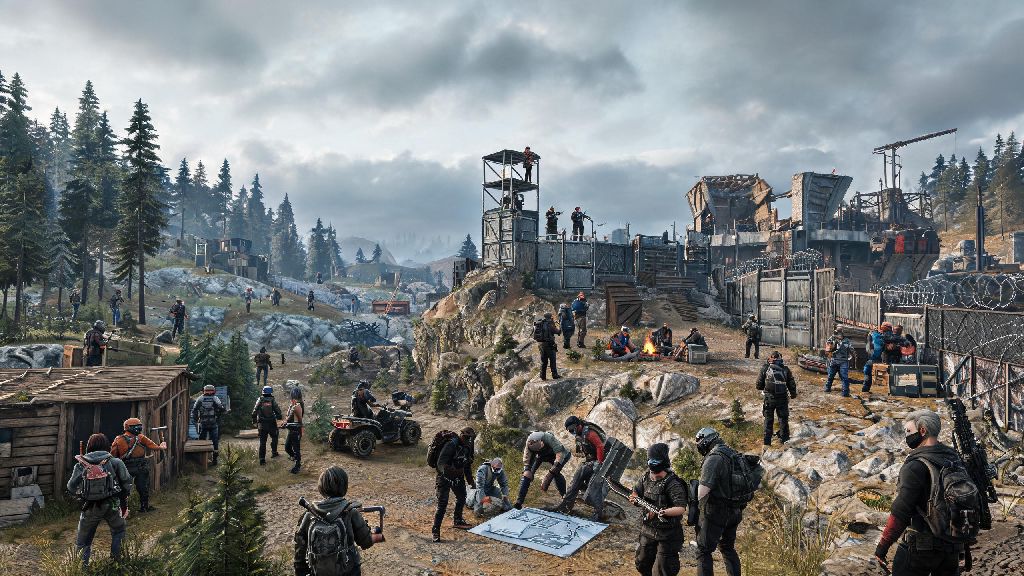
Jump into any Rust forum or new player Discord, and one of the most common questions pops up fast: how many players can play rust together. Whether you’re rounding up your friend group for a weekend of base building and raid defense, or planning a massive roleplay event for your community, knowing the official and custom limits for group play makes planning way easier. I’ve spent hundreds of hours running private Rust servers for my friend group, so I’ve tested every possible group size limit and the quirks that come with each.
Official Default Limits for How Many Players Can Play Rust Together
First, let’s cover the default settings you’ll run into on official, unmodified Rust servers run directly by Facepunch. The total player cap for a standard official server is 100 concurrent players, with no hard limit on how many players you can team up with in a single group. That means you could technically team with 99 other people on a full server, but that’s not practical for most players, and many community servers impose their own group limits to prevent zerg clans from dominating the entire map.
You’ll also find smaller official “medium” population servers capped at 50 total players, and experimental hardcore servers capped at 30. These lower-pop servers are great for newer players who don’t want to get steamrolled by massive 20-person zergs as soon as they spawn near the coast. Even without official group limits, most players on low-pop servers stick to small teams of 3 to 6 people to keep the game fair for everyone playing.
Custom Private Server Group Size Limits
If you’re running your own private Rust server for friends or a community, you have full control over both total server population and individual group size limits. Most standard server hosting plans support up to 200 concurrent players with no performance drops, as long as you have enough RAM and a stable connection. You can also set hard group caps if you want to prevent overly large teams, like limiting groups to 4 or 6 players for a more balanced, competitive experience.
Many private server owners add extra features to make wait times more fun for players who can’t get in right away during peak hours. Common add-ons include simple arcade mini-games, quick puzzle challenges, and casual round-based games that don’t require a big time commitment. For example, many casual PvE servers add 777 Game to their pre-spawn lobby, so players can pass the time for a few minutes while they wait for an open slot on the server. It’s a small touch that makes waiting for server access way less frustrating, especially right after a map wipe when everyone is trying to log on at the same time.
If you’re setting up a server for a large friend group of 10 to 15 people, I recommend setting the total server cap to 25, so you have extra space for random players to join if you want to add some chaos, or leave it locked to private so only your group can access it. You can also turn off group size limits entirely if you want everyone on the server to be on the same team for a cooperative PvE playthrough where you only fight NPC enemies and environmental hazards.
What Group Size Works Best for Different Playstyles?
Just because you can have a group of 30 players doesn’t mean it’s the most fun way to play Rust. The ideal group size depends entirely on what you want to get out of your play session, and how much coordination you’re willing to do. I’ve tested every group size from solo up to 20-person zergs, and these are the sweet spots for most common playstyles:
Keep in mind that larger groups also come with bigger downsides. You’ll burn through resources way faster, you’ll need a much bigger base to hold all your loot and team members, and you’re far more likely to draw the attention of other large clans that want to raid you for your stockpiles. Even if you have 15 friends who want to play together, splitting into two smaller groups of 7 and 8 can make the game far more manageable and fun for everyone.
Tips for Running Smooth Large Group Sessions in Rust
If you’re planning to run a group of 10 or more players, there are a few small tweaks you can make to avoid common frustrations that pop up with larger teams. First, make sure you pick a server with a ping under 60 for most of your group, since high ping will lead to lag spikes during PvP fights and building sessions that can cost you your base. If most of your group is located in the same region, look for a server hosted in that area for the best performance.
You’ll also want to use a dedicated voice chat channel separate from in-game chat, so you can coordinate raids or base defense without tipping off nearby enemy players. Set clear rules for loot distribution and base building before you start playing, so no one gets upset if someone takes a rare weapon they farmed for, or builds a messy addition to the base that weakens its defense. Simple rules like “anyone can use basic resources, but rare loot goes to the group storage” prevent 90% of common group conflicts.
For groups that only play together occasionally, consider setting a shared base storage system where everyone contributes a portion of their farmed resources to a public chest, and keeps the rest for their own personal use. That way you have enough resources for base upgrades and repairs, but people still get to keep the loot they worked hard to find. You can also assign roles based on what people enjoy doing, so players who hate PvP can focus on farming and building, while players who love fighting can handle patrols and raids.
If you’re playing on a public server with group size limits, don’t try to skirt the rules by creating multiple smaller groups that work together. Most server admins will ban teams that do this, since it ruins the balance for other players on the server who are following the group limit rules. If you want to play with a larger group than the server allows, just switch to a different server with higher limits or run your own private server instead.
At the end of the day, the answer to how many players can play rust together depends entirely on the server you’re playing on, with official servers supporting up to 100 total players and custom private servers supporting up to 200 or more with no hard group limits. Whether you’re playing with one friend or a whole community of 50 players, adjusting your group size to match your playstyle will make your Rust experience far more fun and less stressful. You don’t need a massive zerg to have a good time, even a small group of 2 or 3 close friends can build an epic base and take on some of the biggest challenges the game has to offer.