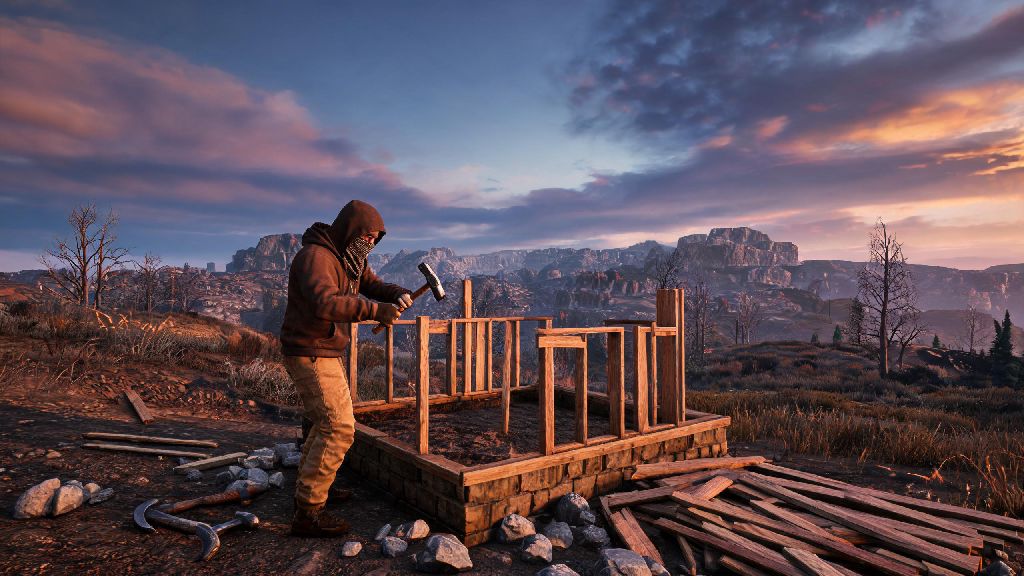
If you’ve ever spawned into a Rust server only to get ganked by a 4-person clan 10 minutes after you build your first wooden base, you know how brutal multiplayer Rust can be. I spent my first 20 hours of Rust getting wiped repeatedly before I decided to learn how to play Rust by yourself, and it completely changed how I enjoy the game. Solo Rust lets you set your own pace, experiment without letting down a team, and master core mechanics before you jump into chaotic group servers. You don’t have to fight 10 other players for a single metal node or adjust your playtime to match a clan’s schedule—everything runs on your terms.
How to Play Rust by Yourself: Choose the Right Server First
The server you pick will make or break your solo Rust experience, so don’t just join the first high-population official server you see. Solo-only servers eliminate the biggest risk of group clans, so they’re ideal for new solo players who don’t want to get targeted by coordinated teams. Most community servers let you filter by mod settings, wipe frequency, and population cap, so you can find one that matches your available playtime and skill level.
If you only have 2 or 3 hours a week to play, pick a server with a monthly wipe instead of a weekly one, so you don’t lose all your progress right when you get set up. Stay away from servers with 100+ players if you’re new to solo play—they’re almost always dominated by experienced groups that roam the map looking for easy solo targets to raid for fun. You can always move to busier servers once you get more comfortable with solo mechanics.
Master Low-Profile Base Building for Solo Runs
When you play Rust by yourself, every minute you spend farming counts, so you don't want to waste time gathering materials you don't actually need. You don’t need a giant 20-room fortress when playing solo—bigger bases attract more attention, and you can't defend them alone anyway. Many new solo Rust players make the mistake of building flashy bases with lots of decor, which only draws raiders right to your door.
Stick to small, hidden bases built in low-traffic areas like forest edges, rocky outcrops, or near small monuments instead of right next to the launch site or oil rig. Paint your base brown or green to blend in with surrounding trees, and avoid placing external turrets or high walls that signal you have valuable loot inside. Always add at least one airlock to your base, so if someone follows you inside, you don’t lose everything immediately. It’s also smart to hide small loot stashes with extra resources around your base area, so even if your main base gets raided, you don’t have to start completely from scratch.
Optimize Your Resource Gathering Routine for Solo Play
When you’re alone, you don’t have extra hands to farm, so you need to prioritize what you gather first to avoid wasting time. Always prioritize tools and building materials before you chase rare loot—you can’t fight off raiders if you don’t even have a stone hatchet to defend yourself. Sticking to a set routine for your first hour on a server will help you get set up faster than wandering aimlessly looking for loot.
A common mistake new solo players make is running straight for a high-tier monument like the oil rig as soon as they spawn, without any gear or a base to return to. 9 times out of 10, you’ll get killed by scientists or other players before you even get any loot, and you’ll have to start all over. You don’t have to fight every player you see to be successful at solo Rust—avoiding conflict is often the smarter move when you have no backup. If you see another player while farming, just keep your distance and don’t make any aggressive moves, and most will leave you alone.
Adjust Your PvP Strategy for Solo Play
Group players have numbers on their side, but solo players have the advantage of stealth and speed. You don’t have to wait for your teammates to catch up or agree on a plan—you can make split-second decisions to run, hide, or attack whenever you want. Use stealth to your advantage whenever possible: if you see a group looting a monument, wait until they leave to pick up whatever leftover loot they left behind, instead of trying to fight them all for the good gear.
If you do have to fight, use hit-and-run tactics: attack from cover, land one or two shots, then move to a new position before they can target you. Never fight a group of more than 2 players as a solo unless you have no other choice—even the most experienced solo players can easily get overwhelmed by 3 or more coordinated opponents. If you’re new to Rust’s unique recoil mechanics, spend a few weeks practicing on PvE servers first before you jump into PvP servers. There’s no shame in taking time to learn the controls, and it will save you a lot of frustration later.
Solo Rust isn’t for everyone, but if you prefer to play at your own pace without relying on other people, it’s one of the most rewarding survival experiences out there. You don’t need to be a pro player to learn how to play Rust by yourself—all you need is a little patience, a low-profile base, and a smart routine for gathering and fighting. Over time, you’ll get a feel for what works for your playstyle, and you might even find you prefer solo play over group servers. The next time you spawn into a server, skip the clan recruitment chats and try going it alone—you might be surprised how much fun you have.