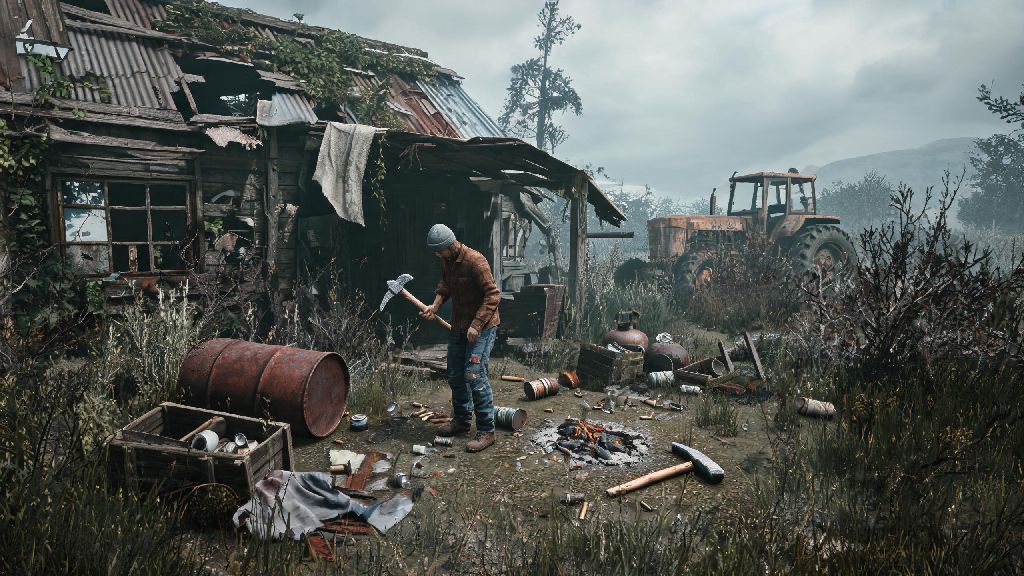
If you’ve spent any time browsing survival game forums, you’ve probably seen long threads gushing about Rust Legacy, the 2015-era version of the hit survival game that many long-time fans swear is far more fun than the modern release. I’ve been playing Legacy on and off for 8 years now, and I still prefer it over the modern version for quick, low-commitment gaming sessions. If you’re curious about what all the hype is about, you’re not alone. Hundreds of new players jump into Legacy servers every week, confused by the simpler mechanics but charmed by the low-stakes, chaotic gameplay that made the original a cult hit. This guide breaks down exactly how to play Rust Legacy, from getting access to servers to mastering the core loops that will keep you alive longer than your first 10 minutes.
How to Play Rust Legacy: First Steps to Accessing Servers
You won’t find Rust Legacy listed as a separate game on Steam, but if you already own a copy of standard Rust, you can access the legacy branch completely free. To enable it, right click Rust in your Steam library, select Properties, navigate to the Betas tab, and choose “legacy” from the dropdown menu. Steam will download the old version automatically, and you can switch between modern and Legacy any time you want. You must own a copy of the standard Rust game on Steam to access Legacy, there is no legal way to download it as a standalone title.
Official Legacy servers were shut down years ago, so all active servers are run by community members. When you open the server browser, filter for servers with ping under 100 first, to avoid lag that will get you killed during PvP or looting runs. If you’re brand new, stick to servers with 50 or fewer players, as high-pop servers tend to be dominated by experienced groups that will target new spawns. If you don’t want to deal with open PvP at all, you can filter for PvE servers where players can’t attack each other, perfect for casual players who just want to build and explore.
Core Rust Legacy Mechanics You Need to Master First
One of the biggest draws of Legacy is its extremely simple core loop, compared to the hundreds of items and complex systems in modern Rust. You spawn on the beach with nothing but a rock and a torch, and your only goals are to gather resources, build shelter, find loot, and stay alive. One of the biggest differences between modern Rust and Rust Legacy is the lack of complex crafting recipes, so you won’t have to spend hours looking for rare components to build basic items. Hunger and thirst drain much slower in Legacy than modern Rust, so you don’t have to panic about finding berries or meat in your first five minutes of spawning.
Your first task should be gathering 30 wood from trees and 50 stone from rock nodes to craft a stone hatchet, which will cut your gathering time in half. After that, look for hemp plants in grassy areas to collect cloth, which you can use to make armor and sleeping bags. Sleeping bags let you respawn at a fixed location, so you don’t have to start over on the beach if you get killed. Once you have basic tools, you can head to small rad towns to find better loot, including guns, ammo, and building materials. Just make sure you have a rad suit or anti-rad pills first, as even small rad towns will give you radiation poisoning that will kill you if left untreated.
These are the essential items you should craft as soon as possible when you spawn:
Never carry all your best loot with you when you go out exploring, always leave a backup set of tools and weapons in your base in case you get killed. It’s far easier to respawn and grab your backup gear than it is to start over from scratch every time you run into an experienced player.
Base Building Tips for Long-Term Survival in Rust Legacy
If you’ve played modern Rust, you’ll find Rust Legacy base building feels far less restrictive, since there are no building privilege zones to worry about. You can build anywhere you want, even right next to other people’s bases, though that’s usually a bad idea if you want to avoid being raided. For your first base, pick a spot that’s a two to three minute walk from a small rad town, far enough from high-traffic areas that random players won’t stumble on it by accident, but close enough that you don’t have to walk forever to drop off loot.
Wooden bases are fine for your first day, but you should upgrade to stone as soon as you can. Wood walls can be burned down with just a torch, so any experienced player can raid your wood base in minutes with zero resources. Stone walls require explosive charges to break, so they’re far more secure. You should always place at least two layers of walls around your main loot room to slow down raiders, since most early raids use only a couple of C4 charges that will run out before they get through multiple layers.
Don’t store all your loot in one chest, either. Hide small stashes of extra ammo, tools, and building materials around your base, or even bury them in the ground a short walk away, so if someone does raid you, they don’t walk away with everything you own. You can also build a small hidden outpost near a larger rad town, so you can drop off high-value loot mid-run without walking all the way back to your main base.
PvP and Raid Rules to Avoid Unnecessary Frustration
Nearly all public Rust Legacy servers have no rules against killing on sight or raiding, so don’t get upset if someone kills you for no reason while you’re gathering wood. That’s just part of the game, and even the most experienced players get taken out by random spawns with a rock every once in a while. If you’re brand new, avoid PvP for your first two or three sessions, just focus on learning the map and getting comfortable with gathering and crafting before you pick fights with other players.
Raiding is one of the most fun parts of Legacy, but it’s easy to waste all your hard-earned resources if you don’t plan ahead. The main raiding tool is C4, which you can either find in high-tier rad town crates or craft with gunpowder, sulfur, and metal fragments. You should only raid bases that look active if you have enough C4 to get through at least three layers of walls, otherwise you’ll blow all your explosives on the outer walls and have nothing left to get to the loot room. If you’re raiding for the first time, target small abandoned bases first, to practice placing C4 and get used to the process without wasting too many resources.
You don’t need a large group to enjoy Legacy either, unlike modern Rust where solo players are at a huge disadvantage. The simple mechanics mean you can easily build a secure base, get good gear, and even raid small bases completely on your own. If you do play with friends, split up roles to make progress faster: one person can focus on gathering resources, another on looting rad towns, and another on building and upgrading the base.
Rust Legacy doesn’t have all the flashy content of modern Rust, but that’s exactly why so many players keep coming back year after year. The simpler mechanics, smaller player counts on most servers, and chaotic, low-stakes gameplay make it the perfect pick for anyone who’s tired of the endless grind of modern survival games. Once you know how to play Rust Legacy, you’ll be able to jump into servers and have fun within minutes, no hundreds of hours of learning required. Don’t be afraid to make mistakes, experiment with different base builds, and laugh off the times you get raided or killed out of nowhere. Take your time learning the ropes, and you’ll quickly see why Rust Legacy has maintained such a loyal fanbase for so long.