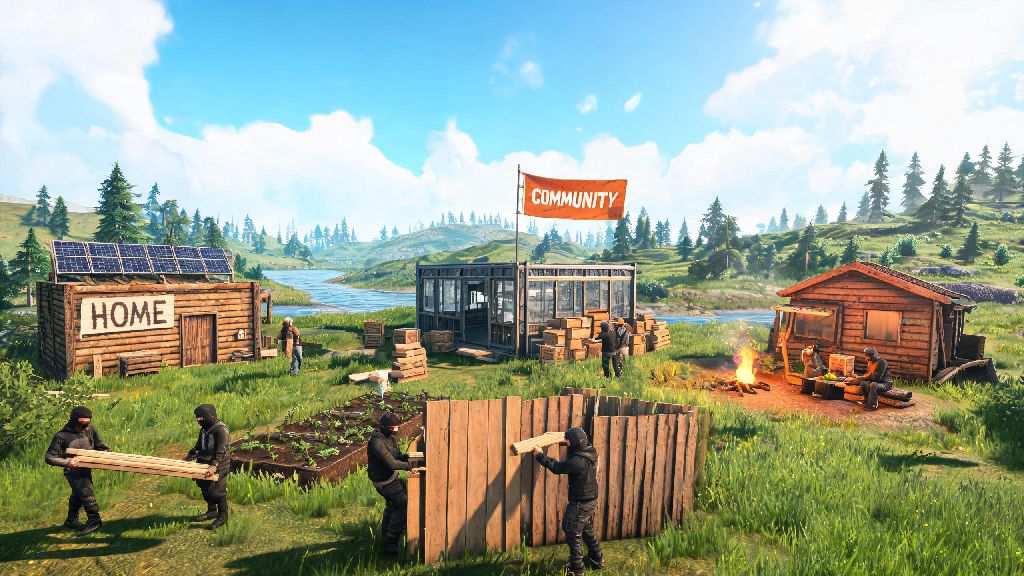
If you’ve spent hours on official Rust servers getting spawn-killed by 10-person clans or griefed within 10 minutes of building your first base, you’ve probably wondered if there’s a less chaotic way to enjoy the game. The good news is private servers let you pick exactly what kind of community and rule set you play with, so you can avoid the worst parts of public Rust while keeping all the fun survival loops intact. We’ve put together this actionable walkthrough to help you learn how to play Rust private server without the frustrating trial and error most new players go through when switching from official servers.
How to Play Rust Private Server: First Steps to Join Any Server
The first thing you’ll need to do is make sure your Steam Rust client is fully updated, as out-of-date clients won’t be able to connect to most active private servers. You can find private servers two main ways: through the in-game server browser, or through community hubs like Rust official forums or Discord server lists. When you’re browsing, you can filter results by ping, population, game mode, and even specific mods to narrow down your options. Always review the full server description and rule set before you hit connect, as many private servers have specific restrictions like group size limits, no offline raiding, or PvE-only rules that are very different from official servers. Once you’ve found a server that fits your preferences, joining is as simple as clicking the connect button, and the game will handle the rest of the setup for you, even if you’ve never looked up how to play Rust private server before. Some smaller curated servers use a whitelist, so you may need to fill out a short 1-2 question application on their Discord to get access, which is normal for communities that want to keep toxicity low.
Key Rules and Etiquette to Follow on Private Rust Servers
Private servers are run by independent community teams, not Facepunch, so rule enforcement is usually far stricter than what you’re used to on official servers. Getting banned from a private server is often permanent, so it pays to follow both the written and unwritten rules to avoid losing access to a community you like. Never use exploits or glitches on private servers, even if they’re allowed on official public servers, as 99% of private communities have zero tolerance for cheating of any kind. If you accidentally break a rule, reach out to an admin calmly instead of arguing, most admins are reasonable if you’re polite and it’s your first offense. I once accidentally built too close to another player’s base on a new server, and when they pointed it out, I moved immediately instead of fighting, and we ended up being allies for the rest of the wipe.
How to Customize Your Experience on Private Servers
The biggest advantage of private servers over official ones is that you can pick a server that matches your exact playstyle, instead of being forced to play by the standard PvP survival rules. If you’re a solo player who hates fighting large groups, you can find servers with 1-person group limits and reduced raiding hours so you don’t have to worry about losing all your progress when you log off for work. If you love building more than fighting, you can join creative servers with unlimited resources and no raiding, where you can spend weeks building huge, detailed bases without worrying about them getting destroyed. There are even roleplay servers with full economies, custom jobs, and structured storylines, where you can work as a farmer, trader, or police officer instead of fighting every player you see. Test 2 to 3 different server types before committing to one long-term, because you might be surprised by how much you enjoy a server type you never considered trying before. Customization is the biggest perk of learning how to play Rust private server, since you’re not stuck with the one-size-fits-all rules of official servers.
Common Mistakes to Avoid When Playing on Private Rust Servers
Even if you’ve played Rust for years on official servers, there are a few common mistakes that can get you banned or ruin your experience on private servers. One of the biggest is assuming all private servers have the same rules: a server you played on last month might allow door camping, but your new server might ban it entirely, so don’t rely on past experience to skip reading the rules. Never share your Steam account details or password with anyone claiming to be a server admin, because real admins will never ask for that information, and anyone who does is trying to steal your account. Avoid using any unapproved third-party mods or cheats, even if they’re just quality-of-life tools, because most private servers use advanced anti-cheat software that will flag even harmless mods as hacks, leading to an automatic permanent ban. Another common mistake is begging for items or resources in public chat: most players find it annoying, and some servers even have rules against begging, so if you need supplies, you’re better off farming them yourself or offering to trade something you have for what you need.
At the end of the day, private Rust servers exist to give players more control over how they experience one of the most chaotic survival games on the market. You don’t have to put up with toxic clans, constant griefing, or rules that don’t fit your playstyle if you don’t want to. Once you get the hang of how to play Rust private server, you’ll likely find you enjoy the game far more than you ever did on official public servers. Take your time finding a community that fits you, follow the posted rules, and don’t be afraid to ask other players for help when you’re first starting out.