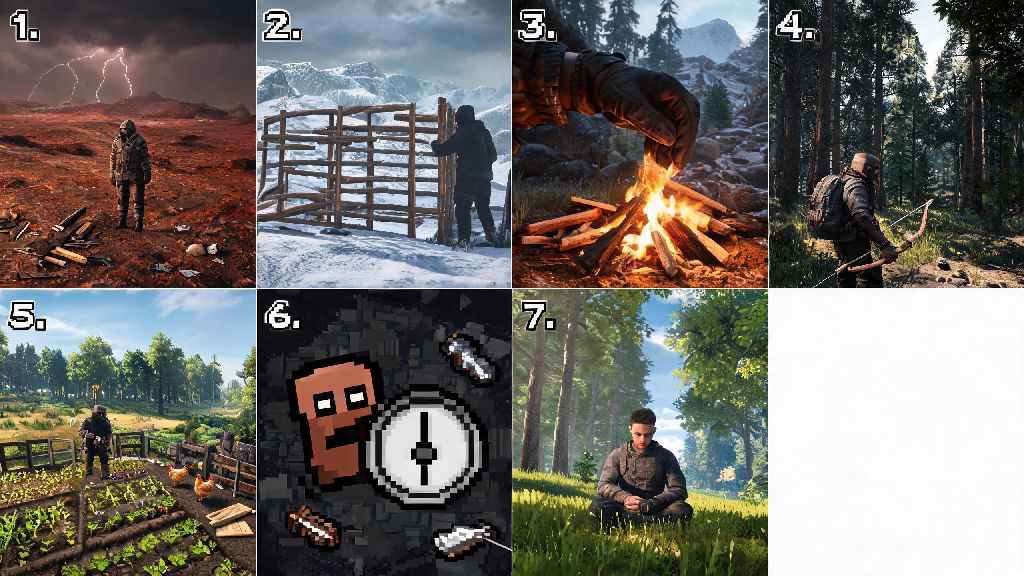
If you’ve ever spent 10 minutes scrolling through Rust gameplay clips and cringed at the number of new players getting raided within their first hour of spawn, you’ve probably wondered can you play single player Rust. Most people know Rust as a chaotic, PvP-focused survival game where you fight for every piece of scrap and wood against hundreds of other random players. But not everyone wants to deal with toxic chat, overnight raids, or getting ganked by a group of fully geared players while you’re still running around with a rock. That’s why so many new players look for ways to experience the game without the stress of competing against strangers.
Can You Play Single Player Rust? Official Support & Workarounds
The short answer is yes, you absolutely can play Rust alone, even if it’s not a built-in feature you’ll see on the main menu. Official Rust releases don’t come with a pre-made single player mode button, since the core game is designed for multiplayer interactions. But the developers at Facepunch made it surprisingly easy to set up your own private, single player server at no extra cost, as long as you own a copy of the game. You don’t need any advanced technical skills to get it running, either. Most players can have their solo server up and running in less than 10 minutes, no third-party paid hosting required.
You can even play single player Rust offline if you don’t have an internet connection, as long as you’ve already downloaded the game and dedicated server tool through Steam beforehand. I tested this myself on a cross-country flight last year, and it worked perfectly for the entire 4 hour trip, no lag or connection issues at all. You can also tweak almost every game rule to match your preferred playstyle, from how fast resources respawn to whether NPC enemies will attack you on sight.
How to Set Up Single Player Rust in 10 Minutes or Less
Setting up your solo Rust server is far simpler than most new players expect. Once you’re set up, you can play single player Rust for as long as you want without any interruptions. Just follow these step-by-step instructions, and you’ll be spawning into your own private map in no time:
If you don’t want to mess with server settings manually, you can find hundreds of pre-made single player config files online that are tailored to different playstyles. You can adjust resource spawn rates to 2x or 3x the default rate if you don’t want to spend hours grinding for wood and stone just to build a small base. You can also turn off raid damage entirely if you want to build huge, elaborate bases without worrying about anyone destroying them. I’ve even seen players set up their single player servers as creative mode sandboxes, where they test out base designs before building them on public servers.
Pros and Cons of Playing Single Player Rust
Single player Rust isn’t for everyone, and it’s important to weigh the benefits and downsides before you spend time setting up your server. On the plus side, it’s the perfect low-pressure way to learn the game if you’re a total beginner. You can take all the time you need to learn crafting recipes, base building rules, and combat mechanics without getting interrupted or killed every 10 minutes. Single player Rust is also a great option if you just want to relax after a long day and don’t want to deal with the stress of competing against other players. You can build, explore, and fight NPC enemies at your own pace, no rush required.
But there are some downsides to consider too. A huge part of Rust’s core appeal is the random, unpredictable interactions with other players, from random acts of kindness to tense PvP fights. You won’t get any of that when you play alone, so many players find single player Rust gets boring after a few weeks. You also won’t be able to carry over any of your progress or base builds to public servers, so any time you spend grinding in solo mode is only for that local server. You’ll also miss out on most of the game’s dynamic events that are designed for multiple players, like cargo ship drops or helicopter attacks that require coordinated teams to beat.
Top Tips for Enjoyable Single Player Rust Sessions
If you decide to try single player Rust, there are a few small tweaks you can make to keep the game fun for longer. First, don’t be afraid to mod your server. There are hundreds of free, community-made mods that add NPC enemies, custom quests, player-run shops, and new building items that make solo play feel far more dynamic. You can even add modded events that spawn AI raiders to attack your base every few days, so you still get the thrill of defending your base without dealing with real players.
Second, back up your server save files at least once a week. Local Rust servers can crash occasionally, and there’s no cloud save for single player progress, so you can lose dozens of hours of build time if your hard drive fails or your game corrupts. Save backups take less than 30 seconds to make and will save you a ton of frustration if something goes wrong. You can store backups on a separate drive or a free cloud storage service to be extra safe.
Third, don’t write off multiplayer entirely after playing solo. I spent my first three weeks playing Rust exclusively in single player mode to learn the basics, and that practice made my first public server experience far less overwhelming. I knew how to build a raid-resistant base, craft basic weapons, and find resources fast, so I didn’t get wiped within my first hour like most new players. You can even keep your single player server to test new base designs or weapon combos before you use them on public servers.
At the end of the day, if you’re still asking can you play single player Rust, you don’t have to wonder any longer. It’s accessible, free to set up, and a great way to experience the game on your own terms, whether you’re a total new player learning the ropes or a long-time fan looking for a low-stakes way to unwind. You don’t have to stick to solo play forever, but it’s a great option to have in your back pocket for days when you don’t feel like dealing with the chaos of public servers.