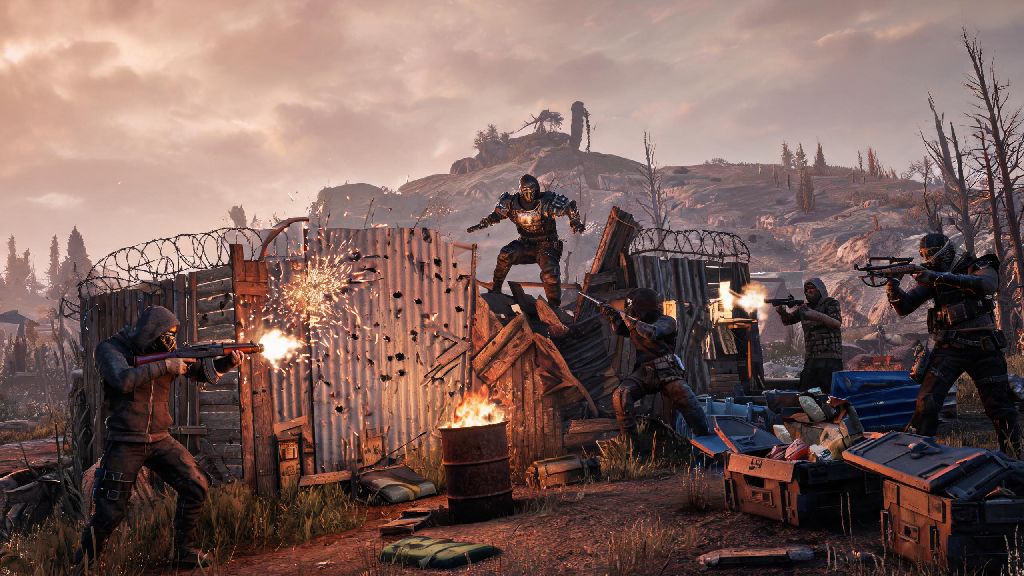
If you’ve ever scrolled through gaming clips of chaotic base raids, tense PvP fights, and ridiculous group survival moments, you’ve probably seen content from Rust. The open-world survival game has grown a massive fan base over the years, and it’s common for new players to ask one key question before they buy: how old do you have to be to play Rust? The answer isn’t a single hard number, because it depends on where you’re playing, what server you join, and whether you have parental approval to access mature content. You don’t want to waste money on the game just to find out you can’t join your friends’ server or get locked out of your account for violating age rules, so it’s worth getting all the facts first.
Official Age Ratings: How Old Do You Have to Be to Play Rust on Consoles and PC
Official age ratings for Rust are set by global content rating boards, and these rules are enforced by all major game storefronts. The ESRB (Entertainment Software Rating Board) in the United States rates Rust M for Mature, meaning it’s officially recommended for players 17 years and older. The PEGI (Pan European Game Information) rating for Rust is 16, meaning it’s approved for players 16 years and older across most of Europe.
These ratings are assigned for very specific reasons. The game includes graphic unfiltered violence between players, constant unmoderated voice and text chat that often includes mature language and hate speech, references to drug and alcohol use, and crude humor that’s not appropriate for younger audiences. Storefronts like Steam, PlayStation Store, and Xbox Store require age verification during purchase, so you won’t be able to buy the game officially if you’re below the age threshold for your region.
It’s important to note that these ratings only apply to official purchases and official servers. If a parent or guardian buys the game for you and adds it to your account as a gift, you’ll still be able to access it, even if you’re under the official age limit. That’s where private server rules come into play, because most Rust players don’t spend time on official servers anyway.
Exceptions to Official Rust Age Rules for Private Servers
More than 90% of active Rust servers are run by independent community groups, not by Facepunch Studios, the game’s developer. These servers can set their own rules for everything from PvP restrictions to base building limits, and that includes age requirements. Most private servers don’t advertise strict age limits, but many have unwritten or stated rules around who can join.
Common age rules for private Rust servers include:
I’ve run a small Rust private server for my friend group for three years, and we don’t have a formal age limit, but we do require all new players to do a quick 10 minute voice check with moderators to make sure they’re willing to follow our no-toxicity rule. Some of our most regular players are 15 and 16, and they fit in perfectly because they respect other players and follow the rules. Key caveat: Even if a private server doesn't have an age limit, you still need to be at least 13 years old to play online on most platforms to comply with COPPA rules in the U.S. and similar data protection laws around the world.
Safety Tips for Younger Players Who Want to Play Rust
If you’re under the official age rating for Rust but still want to play, there are steps you can take to make the experience safe and fun for everyone. You don’t have to deal with the toxic chat and harassment that’s common on large public servers if you plan ahead and pick the right place to play.
Stick to curated, well-moderated servers if you’re under 17. Large public PvP servers are famous for toxic chat, random harassment, and players making inappropriate comments to anyone they come across, so smaller servers with active mod teams are far safer for younger players. You can find these servers on Rust’s server browser by filtering for servers with high mod counts and low toxicity reports in server reviews.
Turn off global voice and text chat if you don't want to be exposed to random mature content. You can still chat with people on your team, so you don't lose the social part of the game, but you won't have to deal with random strangers yelling slurs or making inappropriate jokes. Most players who play on public servers already have global chat turned off anyway, so you won’t be missing much.
Talk to your parent or guardian before you start playing, so they know what kind of content the game has. Many parents are fine with their kids playing Rust as long as they're on a safe server and not spending too much time on the game, and they can help you report any toxic behavior you run into if you need it. If you’re playing with friends you already know from school or other games, you’ll have a way better experience than playing alone on random servers. You can build bases together, go on raids as a group, and look out for each other if someone starts harassing you in chat.
What Happens If You Lie About Your Age to Play Rust?
It can be tempting to lie about your age on storefronts to get access to Rust faster, especially if all your friends are already playing. But lying about your age on Steam, PlayStation, or Xbox can have serious consequences that aren’t worth the risk. A lot of younger players don’t realize how strict platform terms of service are around age falsification until it’s too late.
First, if the platform finds out you falsified your age, they can suspend or permanently ban your account, which means you’ll lose access to every game you’ve ever purchased on that account, not just Rust. For players who have hundreds of dollars worth of games in their library, that’s a huge loss over one game. Second, if you join a server with a stated age limit and lie about your age to get in, moderators can ban you permanently if they find out, even if you haven't broken any other rules. That can be frustrating if you’ve spent weeks building up a base and making friends on the server.
You don’t have to lie to play Rust – there are hundreds of servers that welcome younger mature players, so it’s never worth risking hundreds of dollars worth of games just to get access a little earlier. If you can’t find a server that fits your needs, you can even ask a parent or older friend to run a small private server for you and your friends, which is far cheaper than you might think, and gives you full control over who can join.
At the end of the day, how old do you have to be to play Rust comes down to a mix of official rules, server guidelines, and your own maturity level. If you’re 17 or older, you can buy the game directly from any official storefront and join almost any server without running into age-related issues. If you’re younger than 17, you don’t have to give up on playing the game entirely, but you should take the time to find a safe, well-moderated server that fits your needs, talk to your guardians before you start playing, and always follow both platform and server rules. Rust is one of the most fun, unpredictable survival games on the market when you find the right group to play with, so don’t let age limits stop you from exploring it responsibly.